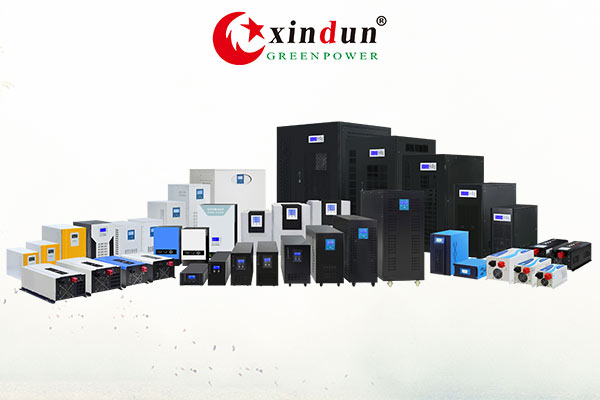
Over the past decade, the global photovoltaic power generation market has maintained rapid growth, and solar energy has gradually evolved from supplementary energy source into a core component of the global energy structure. According to the International Energy Agency's Photovoltaic Power Systems Programme (IEA PVPS) report, "Trends in Photovoltaic Applications 2025," by the end of 2024, the global cumulative installed photovoltaic capacity had exceeded 2.26 TW (approximately 2,260 GW), representing nearly tenfold increase compared to the less than 230 GW installed capacity in 2015. So, why are more and more households, businesses, and large power plants focusing on photovoltaic power generation? And what core equipment in photovoltaic power system supports the efficient conversion of electricity and stable power supply? The answer is the core component of the photovoltaic power system: the photovoltaic power converter. Below, we will delve into the importance of the photovoltaic power converter in photovoltaic system.
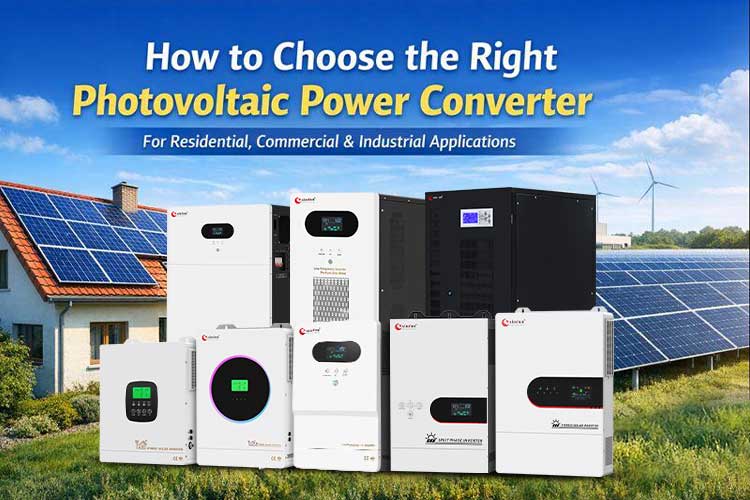
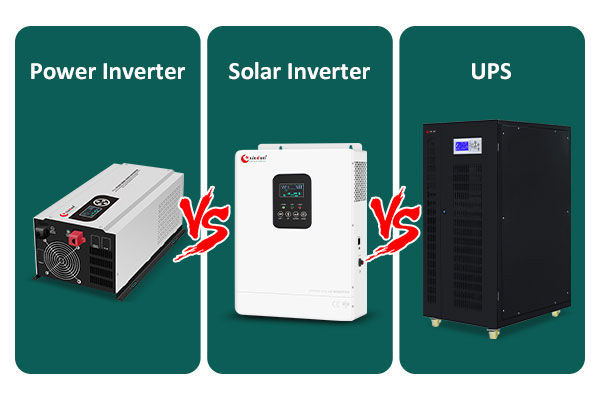
Photovoltaic power converter is a key device in photovoltaic system responsible for power conversion and control. Its main function is to convert the direct current (DC) generated by photovoltaic panels into alternating current (AC) for the load. During solar power generation, the electricity generated by photovoltaic panels is DC, and its voltage and current fluctuate constantly with changes in sunlight intensity, temperature, and environmental conditions. Most electrical devices require stable alternating current (AC). Therefore, the photovoltaic power converter plays dual role as both "power converter" and "system regulator."
Photovoltaic power converter typically work in conjunction with an MPPT solar controller and battery. The MPPT solar controller tracks the optimal operating point of the photovoltaic panels in real time, ensuring efficient output from the photovoltaic panels under varying light conditions. Combined with batteries, the photovoltaic converter acts as the core of energy management, intelligently scheduling solar energy, mains power, and battery power. During the day, the photovoltaic converter prioritizes supplying the load with photovoltaic power, using excess power to charge the battery. At night or when sunlight is insufficient, the system automatically draws on battery power to continue supplying electricity, thus achieving stable power supply around the clock. This combination of photovoltaic power converter and battery can effectively solve the problem of intermittent photovoltaic power generation and improve the reliability and efficiency of the system.
The choice of photovoltaic converter directly impacts the system's power generation efficiency and operation. If photovoltaic converter's rated power does not match the photovoltaic array or load demand, the system cannot operate within its optimal operating range for extended periods. For example, photovoltaic power converter with insufficient capacity is prone to frequent power throttling under high irradiance conditions; while photovoltaic converter with excessive capacity will cause the equipment to operate at low loads for extended periods, reducing conversion efficiency and increasing initial investment costs. Therefore, when purchasing photovoltaic converter, the size should be selected based on the actual load's power demand and the specific application scenario to ensure stable system operation.
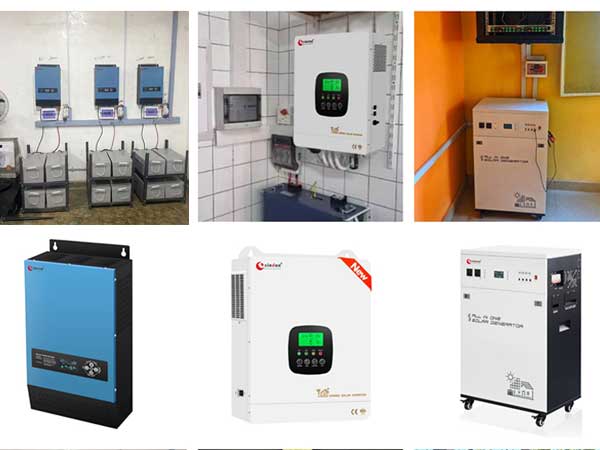
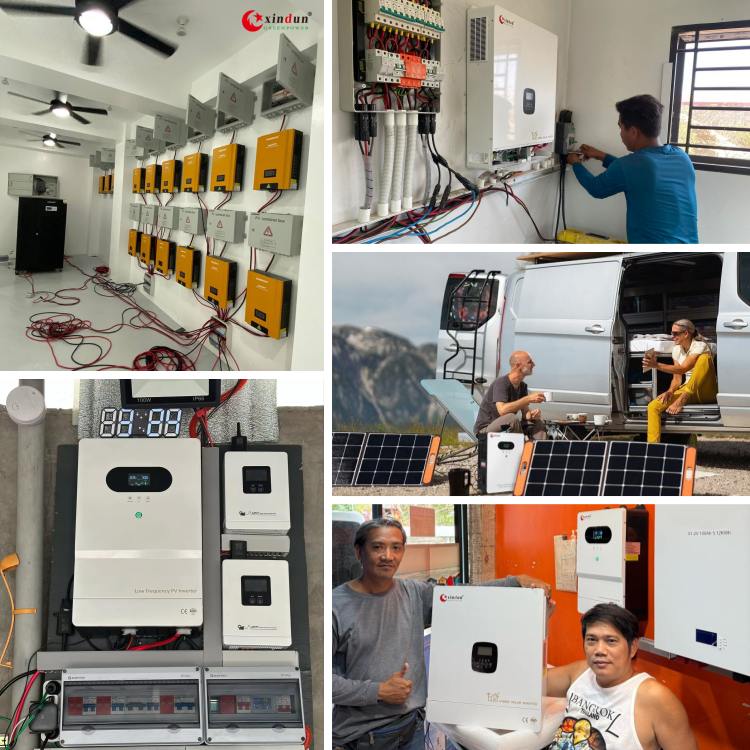
With the popularization and application of photovoltaic power generation, photovoltaic power converter have been widely used in home, hospital, remote rural area, government project, industrie, and commerce. Whether it's public facilities with high requirements for power supply stability or commercial and industrial users who want to reduce electricity costs and improve energy efficiency, Photovoltaic power converter play a core role in power conversion and dispatch within the system. Xindun Power's photovoltaic power converter have been exported to over 100 countries. We have a wealth of successful application cases, providing stable power supply and reducing electricity costs for over 100,000 commercial and residential users, while also bringing long term return on investment benefits to our customers. Our R&D team also provides OEM customization services for special commercial project needs, which has received high recognition and praise from our customers! The following figure shows feedback from our successful customer application cases:
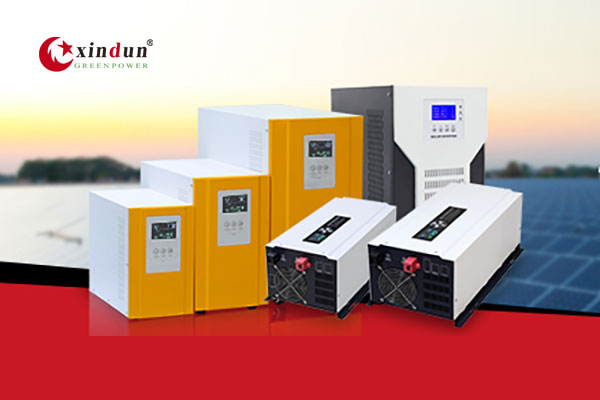
When selecting photovoltaic power converter, you need to consider the actual load requirements and different power consumption scenarios to choose the appropriate photovoltaic converter power configuration, energy storage compatibility, and other factors. Choosing a market proven photovoltaic power converter with extensive application cases and suitability for various scenarios often leads to more efficient system deployment and reduces subsequent operation and maintenance risks. Based on different application needs, Xindun Power offers 8 reliable photovoltaic power converter:
|
|
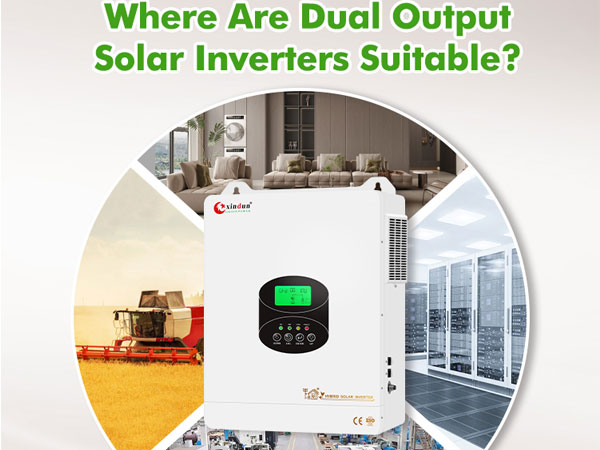
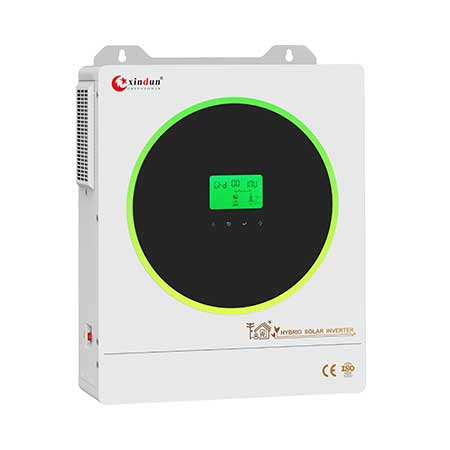
HFP-C Series Photovoltaic Power Converter 4.3KW-12.3KW DC 24/48V to AC 220/230/240V It has a stylish appearance and features RGB ring light strip design; it supports dual AC output, which can simultaneously power the main load and the second load. |
|
|
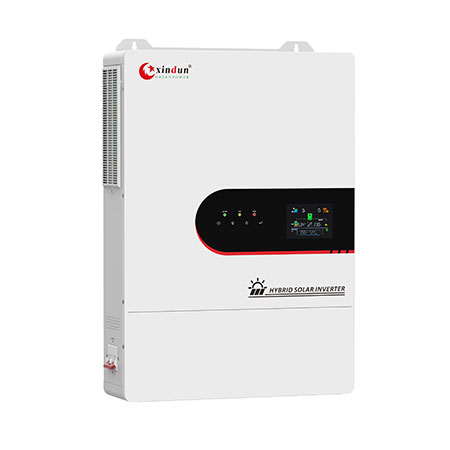
HU Series Photovoltaic Power Converter 10KW-12KW DC 48V to AC 110V/220V, 120V/240V The multifunctional design supports split phase output and split phase input, as well as single phase output and single phase input, making it suitable for regions with dual voltage standards in the Americas.Up to 6 units can be operated in parallel to meet project expansion needs. |
|
|
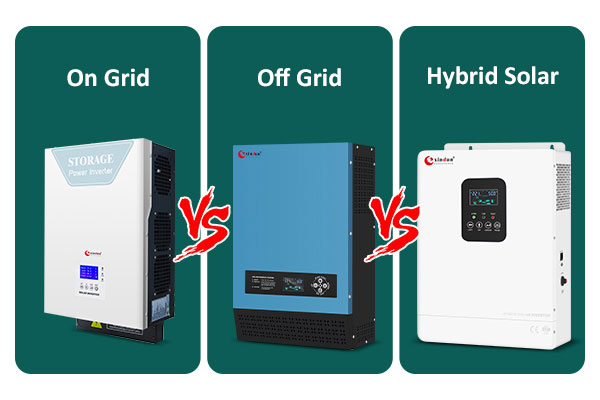
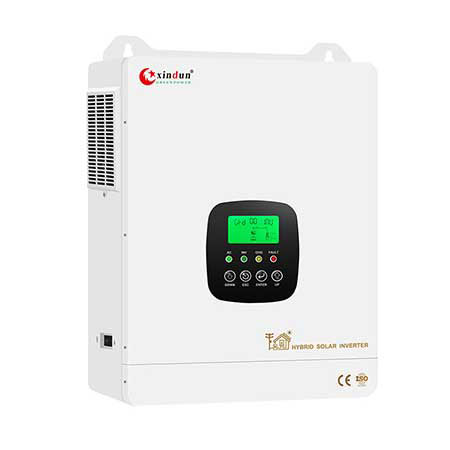
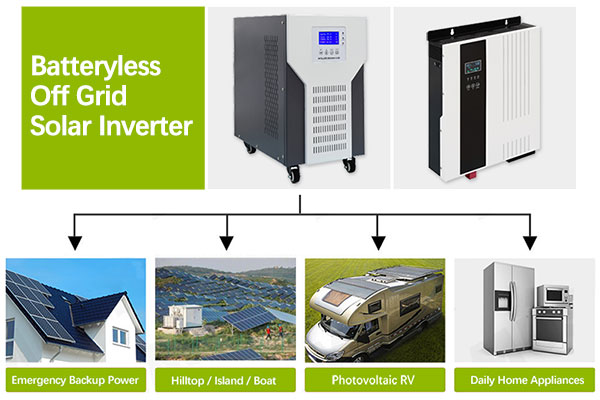
HFP Series Photovoltaic Power Converter 1KW-12.3KW DC 12/24/48V to AC 220/230/240V Multiple operating modes: flexible switching between off grid,on grid, and hybrid modes.It can operate normally without battery. |
|
|
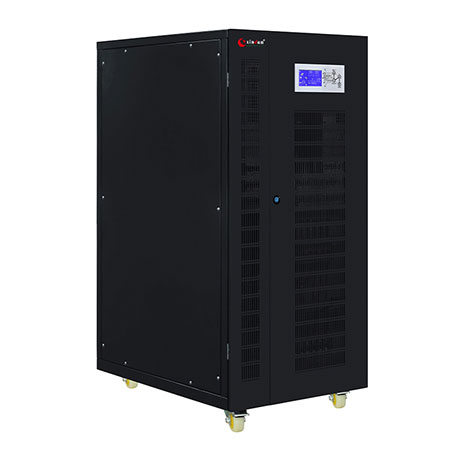
HDSX Series Three Phase Photovoltaic Power Converter 3.2KW-160KW DC 48/96/192/384V to AC 384/400V It supports 100% three phase unbalanced load, single phase output and three phase output, to meet the power generation needs of large scale industrial and commercial enterprises. |
|
|
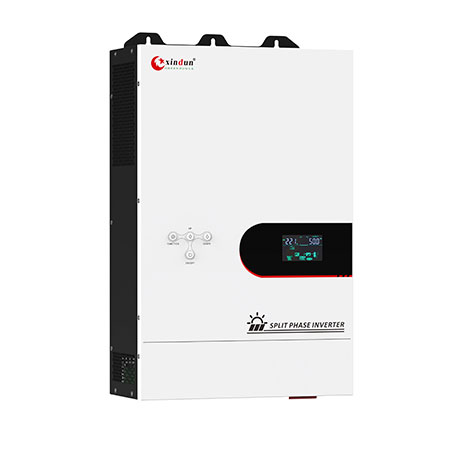
LU Series Split Phase Photovoltaic Power Converter 3KW-12KW DC 48V to AC N-L1: 80VAC-133VAC(105VAC)/85VAC-138VAC(110VAC) 90VAC-143VAC(115VAC)/95VAC-148VAC(120VAC) L1-N-L2 105VAC: (L1-L2: 160VAC~266VAC,L1-N/L2-N:80VAC~133VAC) 110VAC: (L1-L2: 170VAC~276VAC, L1-N/L2-N: 85VAC~138VAC) 115VAC: (L1-L2: 180VAC~286VAC,L1-N/L2-N: 90VAC~143VAC) 120VAC: (L1-L2: 190VAC~296VAC, L1-N/L2-N: 95VAC~148VAC) Supports split phase output and split phase input, split phase input and single phase input; wall mounted design, easy to install and space saving. |
|
|
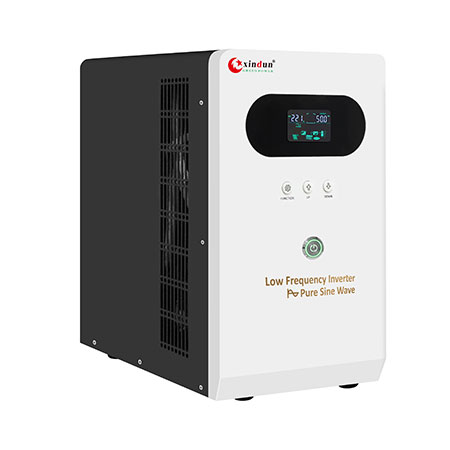
WF Series Photovoltaic Power Converter 700W-40KW DC 12/24/48/96/240/384V to AC 110/120/220/230/240V Designed for low frequency operation, the mains current is adjustable from 0-20A, and it offers two adjustable operating modes: mains priority and converter priority. |
|
|
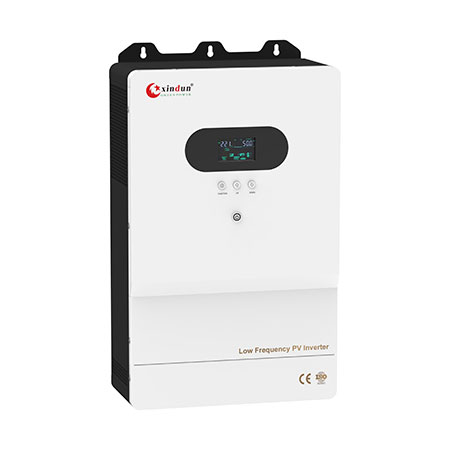
LF Series Photovoltaic Power Converter 1KW-12KW DC 12/24/48V to AC 110/120/220/230/240 It provides adjustable mains current of 0-30A and adds a fault code query function, allowing users to monitor the status of the photovoltaic converter in real time. |
|
|
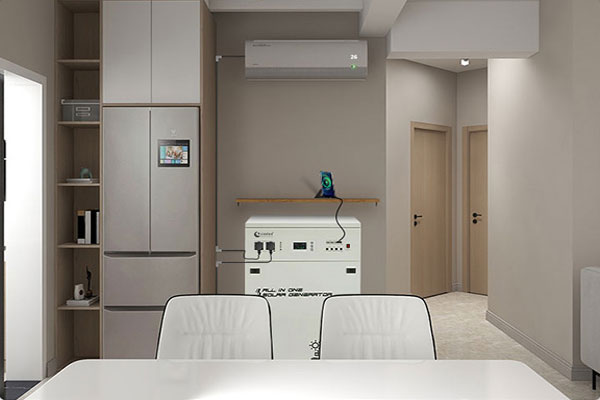
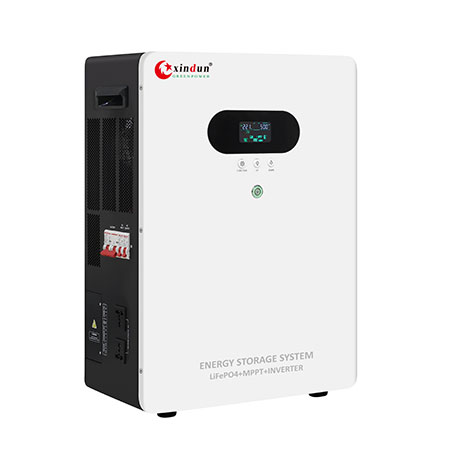
ESS-Li Series All In One Photovoltaic Power Generator 300W-7KW DC 12.8/25.6/51.2V to AC 110VAC/120VAC/220VAC/230VAC/240VAC Adopting integrated design,photovoltaic converter+MPPT solar controller+lithium battery have multiple plug and play output interfaces, requiring no complicated installation and can directly charge the load. |