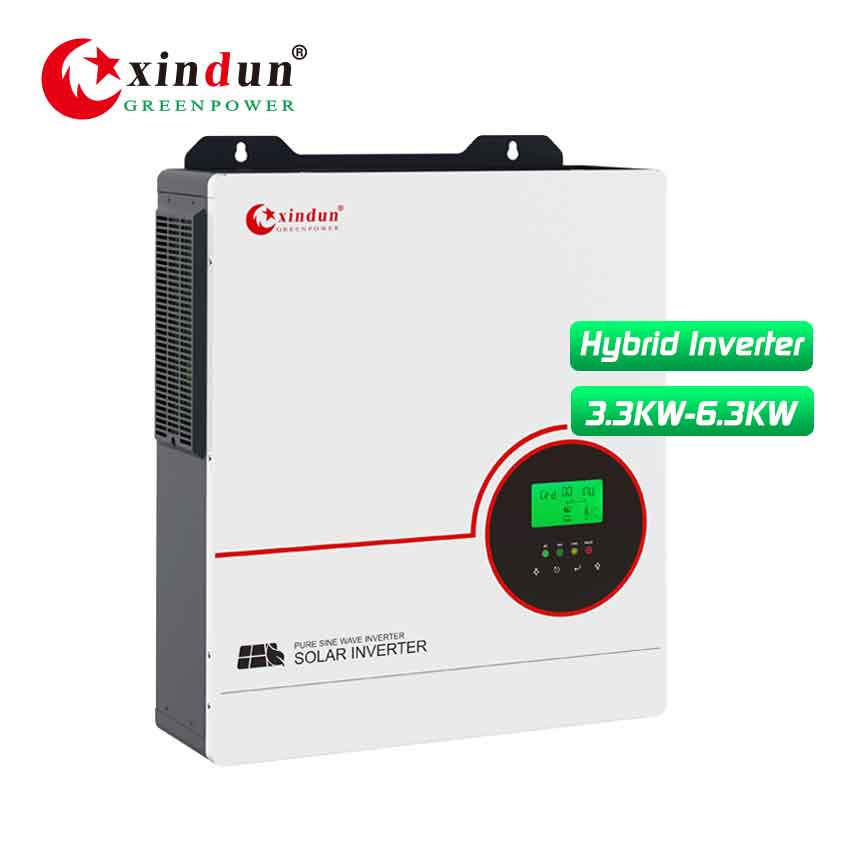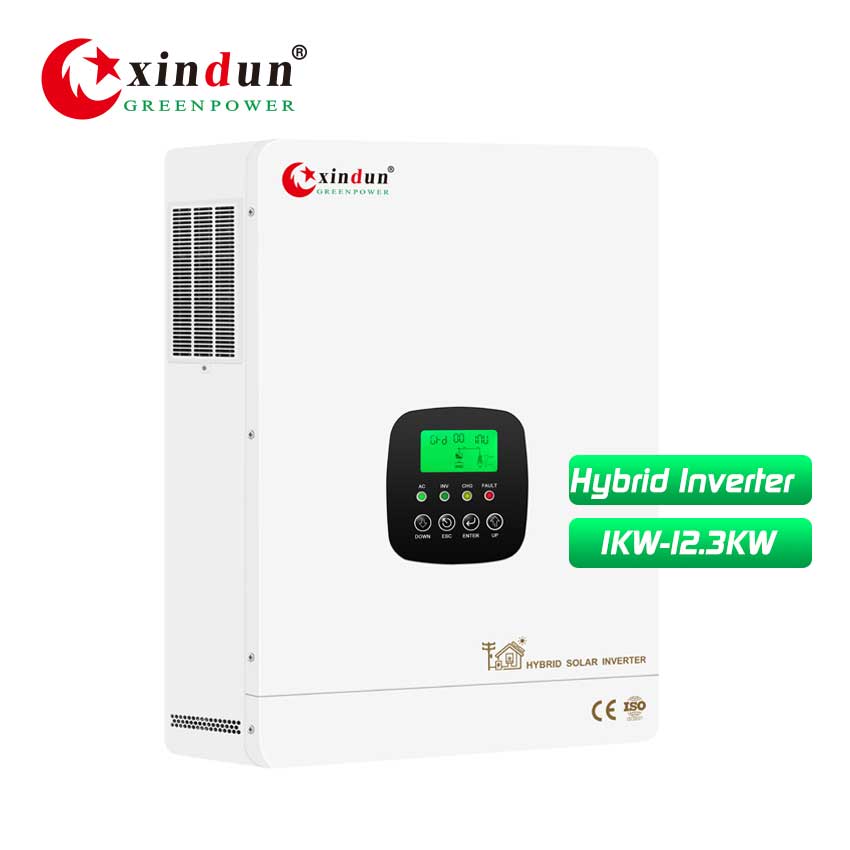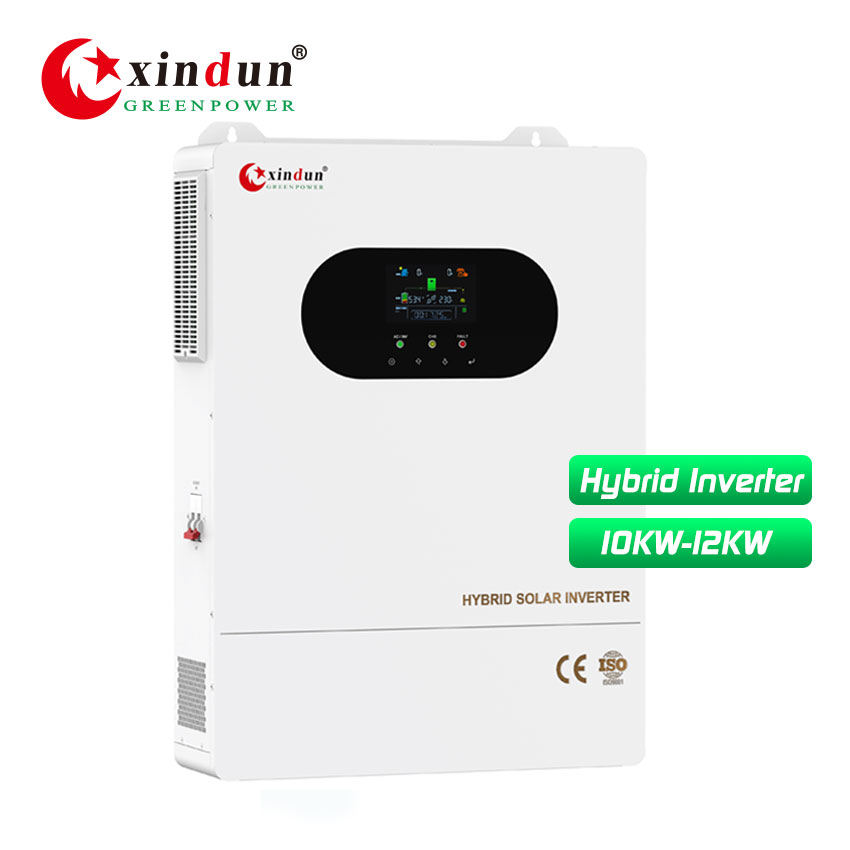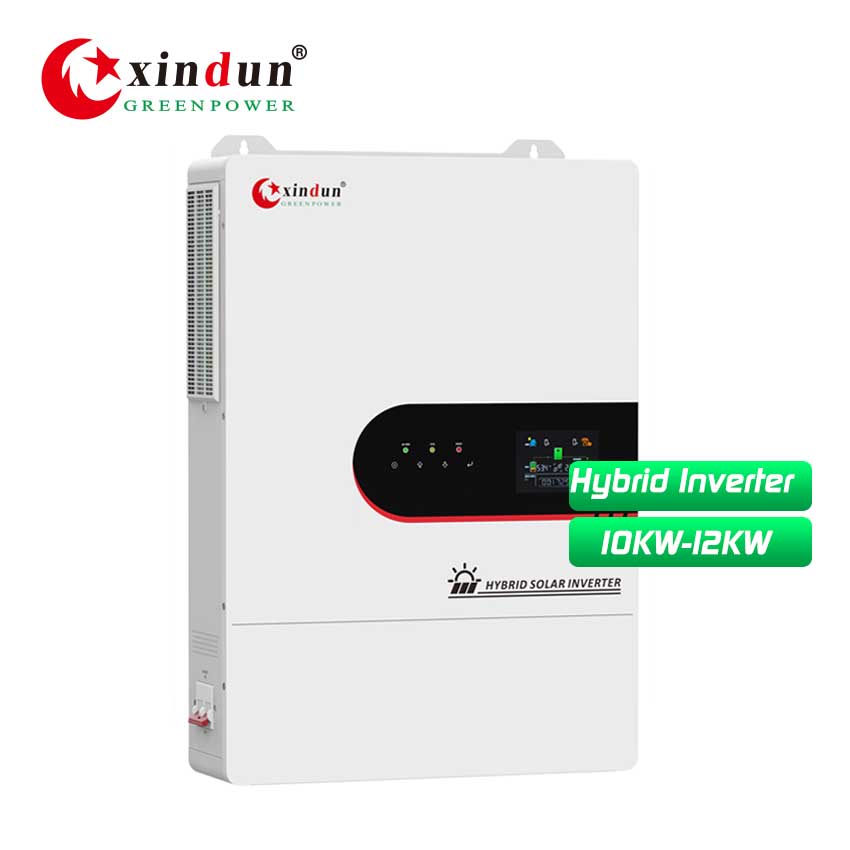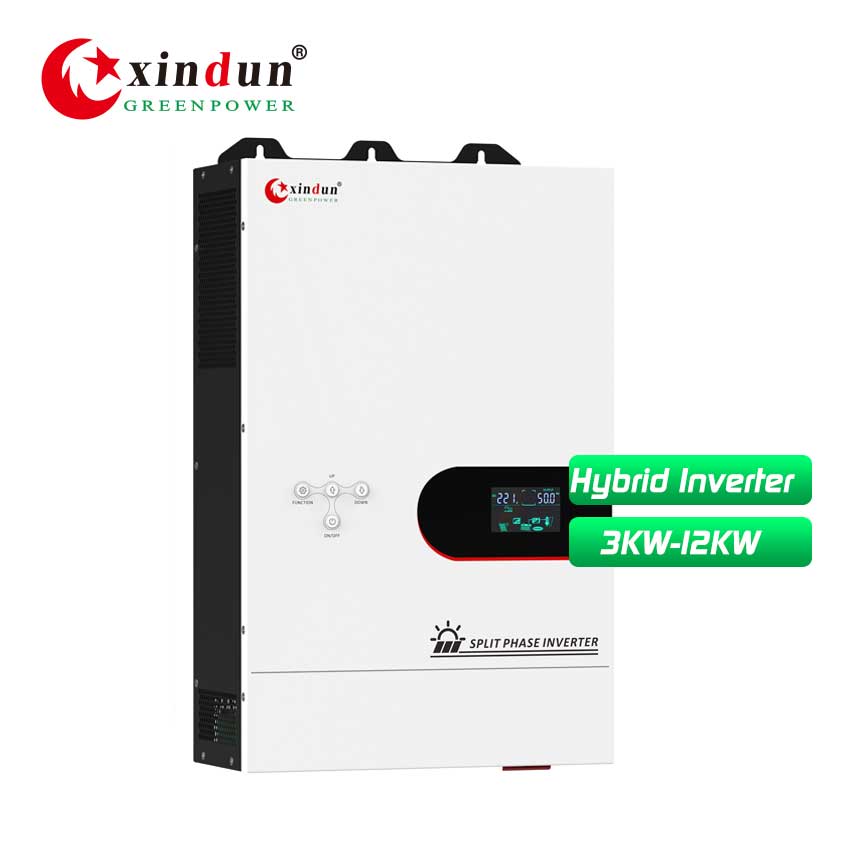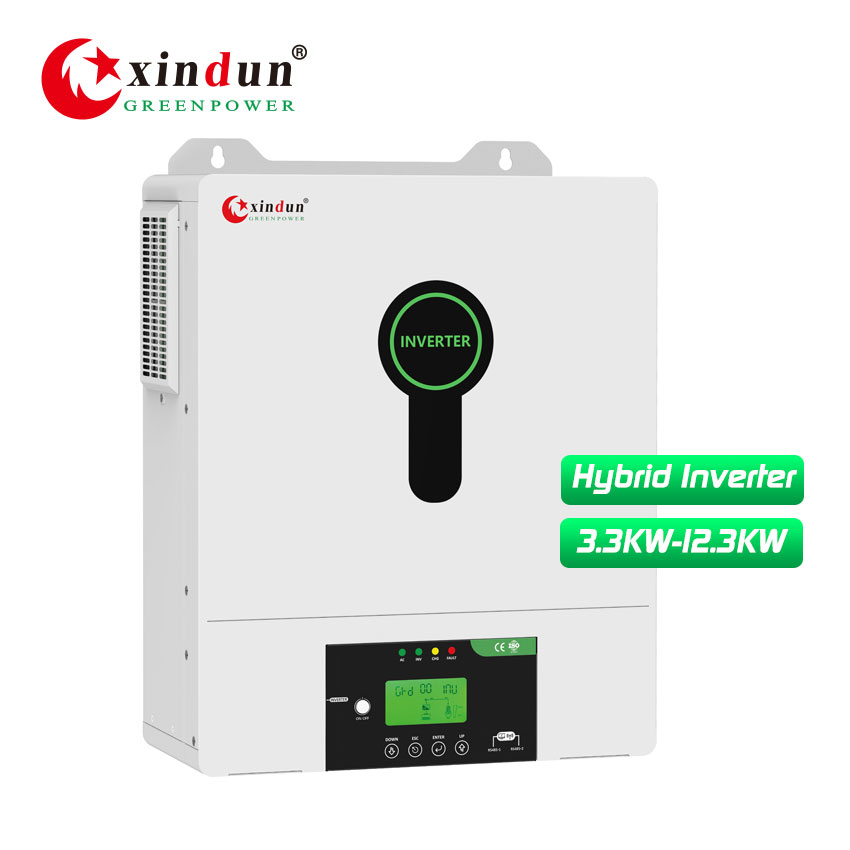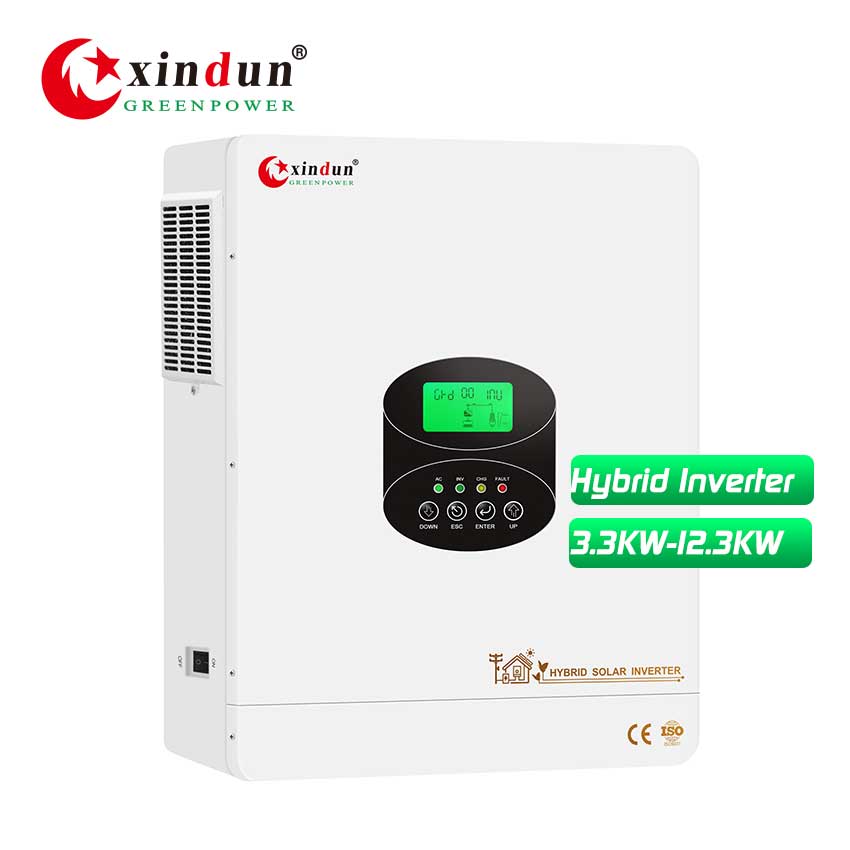

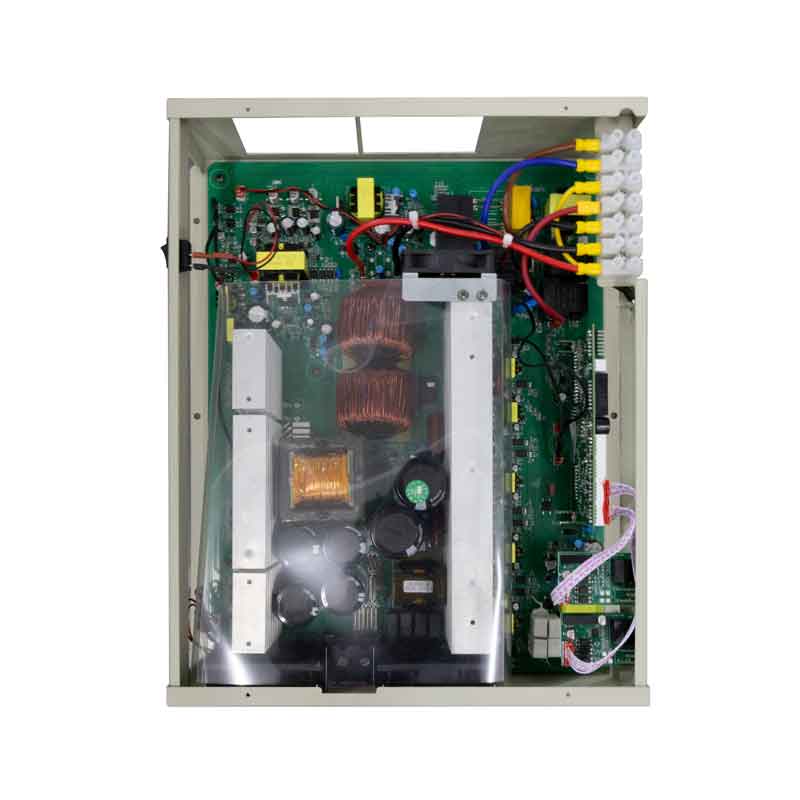
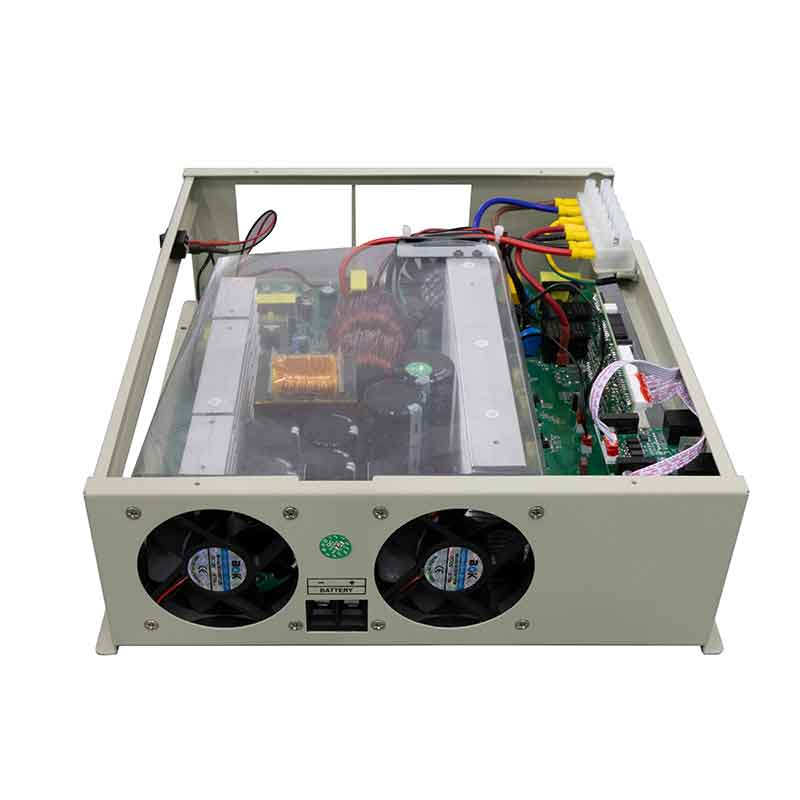
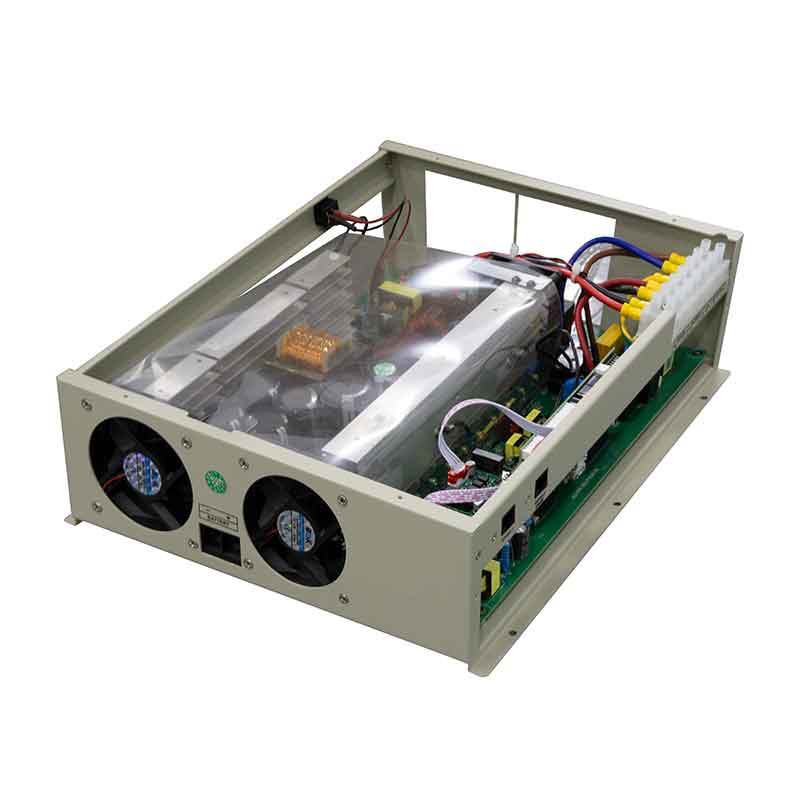
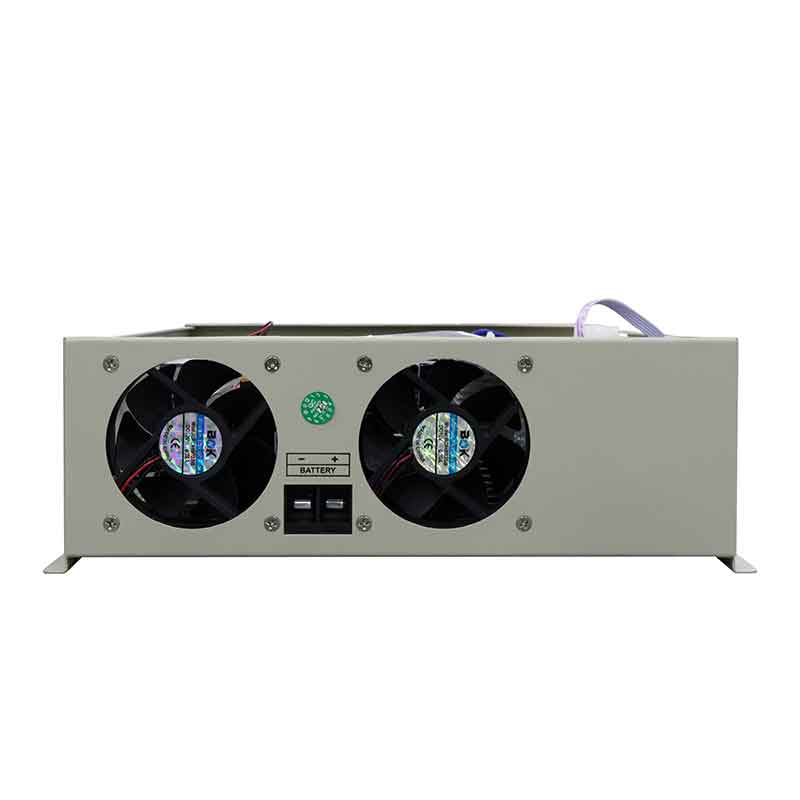
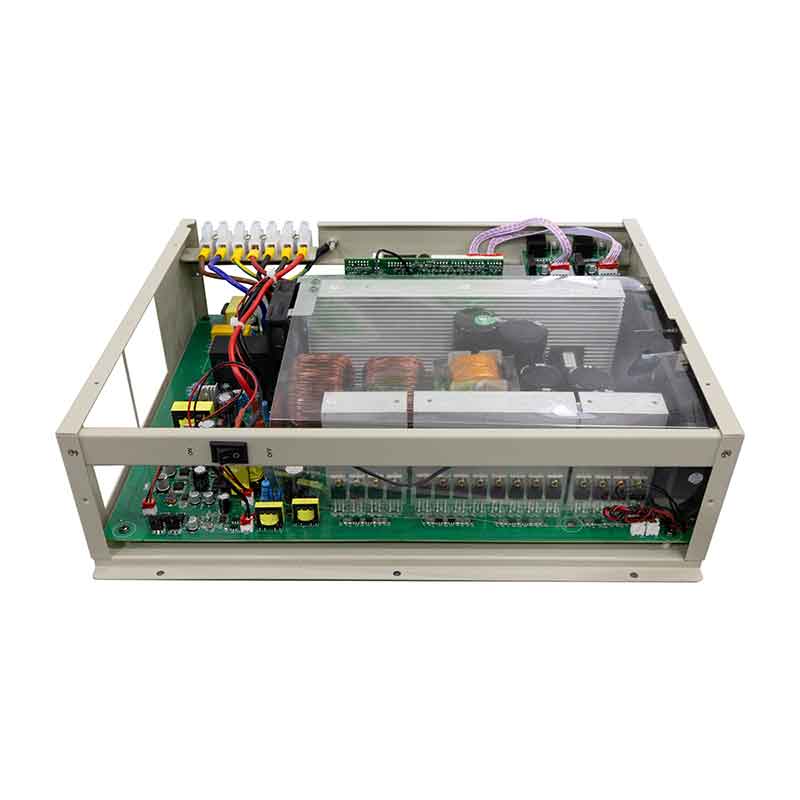
The HFP-JX motherboard (main board) is core components of solar inverters, supporting both SKD and CKD import/export methods. They feature pure sine wave output, power ranging from 1kW to 12.3kW, and come without a casing, making them suitable for localized assembly at low cost. They also include lithium battery BMS communication functionality and are available in various installation configurations such as wall-mounted, stacked, and rack-mounted, making them widely applicable to residential and commercial projects.
Product
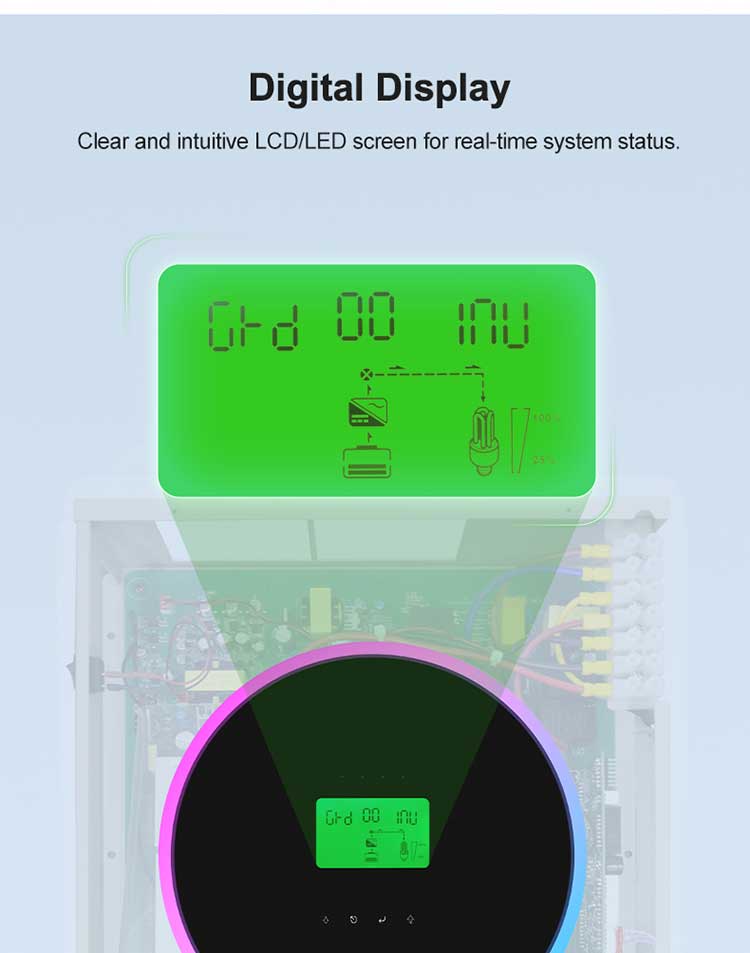
1. Equipped with LED/LCD display, providing clear real time readings of voltage, current, and operating parameters. Operation is intuitive, and system status is readily apparent.
2. It has a simple structure, requires no complicated outer casing, and is easy to install.
3. Supports real time communication with lithium battery BMS system, featuring automatic wake up and status detection functions for precise battery management and extended battery life.
4. Built in RS485 and WiFi communication interfaces support remote cloud monitoring and data management, enabling real time monitoring of equipment operation and achieving intelligent scheduling and fault warnings.
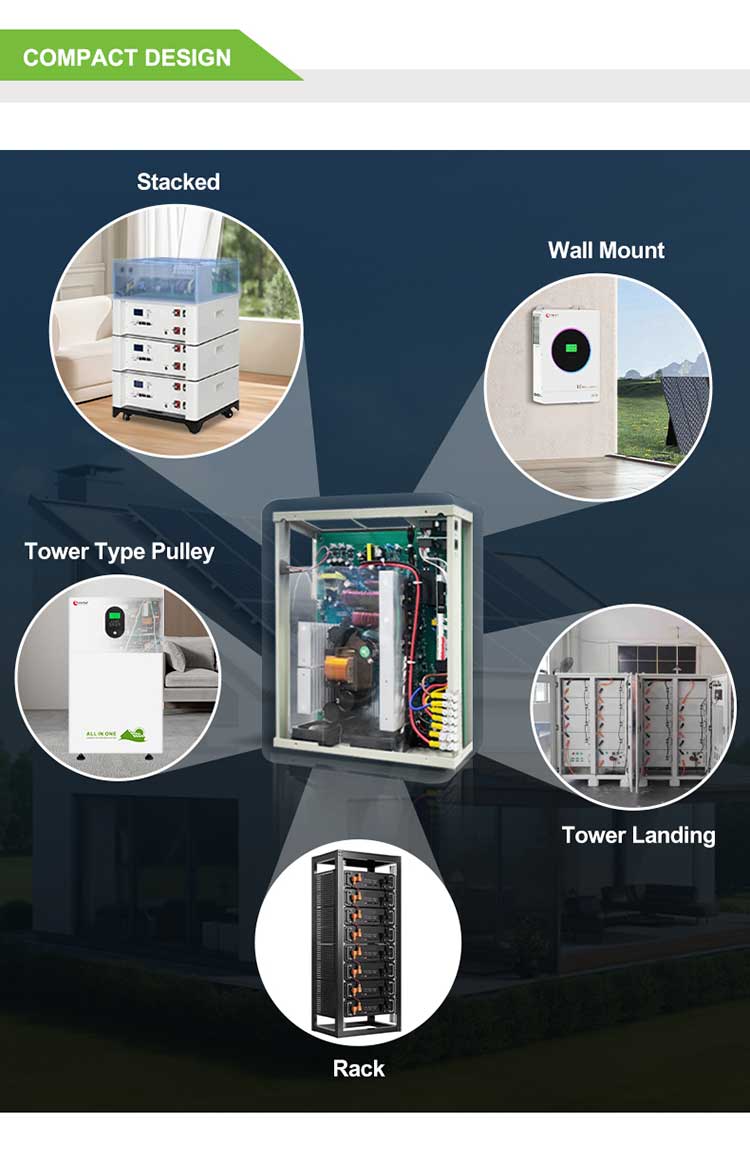
5. Flexible design, supporting wall mounted, stacked, and rack mount installations, widely applicable to industrial, commercial, and residential applications, meeting diverse system requirements.
|
Specification |
|||||||||||||
|
Model : HFP-JX |
10212 |
13212 |
18212 |
18224 |
23224 |
33224 |
43224 |
50248 |
63248 |
83248 |
103248 |
123248 |
|
|
PV |
Max PV Input Power |
1500W |
2000W |
2500W |
2500W |
3000W |
5000W |
6000W |
7000W |
4500W*2 |
6000W*2 |
6000W*2 |
|
|
MPPT Tracking Voltage Range |
30VDC-240VDC |
40VDC-350VDC |
40VDC-450VDC |
80VDC-450VDC |
|||||||||
|
Rated Voltage |
180VDC |
240VDC |
280VDC |
||||||||||
|
Max PV Input Voltage voc |
300VDC |
400VDC |
500VDC |
||||||||||
|
Max PV Input Current |
13A |
15A |
18A |
27A |
18A*2 |
22A*2 |
27A*2 |
||||||
|
MPPT Tracking Channels |
1 Routed |
2 Routed |
|||||||||||
|
Battery& |
Battery Type |
Lead-acid Battery/Lithium Battery |
|||||||||||
|
Custom Battery (Charging and discharging paramcters of different types of batteriescan be set through the operation board) |
|||||||||||||
|
Rated Battery Voltage |
12VDC |
24VDC |
48VDC |
||||||||||
|
Battery voltage Range |
10.5~15VDC(default) |
21~30VDC(default) |
42~60VDC(default) |
||||||||||
|
Max PV Charging Current |
60A |
80A |
100A |
60A |
80A |
120A |
150A |
100A |
120A |
150A |
180A |
200A |
|
|
Max AC Charging Current |
40A |
50A |
65A |
35A |
50A |
80A |
100A |
60A |
80A |
100A |
120A |
140A |
|
|
Max Charging Current |
60A |
80A |
100A |
60A |
80A |
120A |
150A |
100A |
120A |
150A |
180A |
200A |
|
|
On-Grid Operation |
|||||||||||||
|
On-Grid |
Rated Output Power |
1000W |
1300W |
1800W |
1800W |
2300W |
3300W |
4300W |
50000W |
6300W |
8300W |
10.3KW |
12.3KW |
|
Rated Output Voltage |
220VAC/230VAC/240VAC |
||||||||||||
|
Grid Voltage Range |
187VAC~264VAC |
||||||||||||
|
Rated Output Frequency |
50Hz/60Hz |
||||||||||||
|
Frequency Range |
47Hz~52Hz(50Hz),57Hz~62Hz(60Hz) |
||||||||||||
|
Rated Output Current |
4.5A/4.3A/4.1A |
5.9A/5.6A/5.4A |
8.1A/7.8A/7.5A |
8.1A/7.8A/7.5A |
10.4A/10A/9.5A |
15A/14.3A/13.8A |
19.5A/18.7A/17.9A |
22.7A/21.7A/20.8A |
28.6A/27.4A/26.2A |
37.7A/36.1A/34.6A |
46.7A/44.9A/42.9A |
55.9A/53.5A/51.3A |
|
|
Power Factor |
>0.98(Rated Power) |
||||||||||||
|
Off-Grid Operation |
|||||||||||||
|
AC |
Rated Input voltage |
220V /230V/240V |
|||||||||||
|
Mains input voltage range |
165VAC-280VAC/ 120VAC~280VAC(Can be set) |
||||||||||||
|
Rated Input Frequency |
50Hz/60Hz |
||||||||||||
|
Input Frequency Range |
45Hz~55Hz(50Hz),55Hz~65Hz(60Hz) |
||||||||||||
|
AC |
Rated Output Power |
1000W |
1300W |
1800W |
1800W |
2300W |
3300W |
4300W |
5000W |
6300W |
8300W |
10.3KW |
12.3KW |
|
Rated Output Voltage |
220V /230V/240V |
||||||||||||
|
Output Voltage Accuracy |
±2% |
||||||||||||
|
Rated Input Frequency |
50Hz/60Hz |
||||||||||||
|
Output Frequency Accuracy |
±1% |
||||||||||||
|
Output Wave |
Pure Sine Wave |
||||||||||||
|
Hybrid Operation (Complementary Mode) |
|||||||||||||
|
AC |
Rated Input voltage |
220V /230V/240V |
|||||||||||
|
Mains input voltage range |
187VAC~264VAC |
||||||||||||
|
Rated Input Frequency |
50Hz/60Hz |
||||||||||||
|
Input Frequency Range |
47Hz~52Hz(50Hz),57Hz-62Hz(60Hz) |
||||||||||||
|
AC |
Rated Output Power |
1000W |
1300W |
1800W |
1800W |
2300W |
3300W |
4300W |
5000W |
6300W |
8300W |
10.3KW |
12.3KW |
|
Rated Voltage Rated |
|
220VAC/230VAC/240VAC |
|||||||||||
|
Output Current |
4.5A/4.3A/4.1A |
5.9A/5.6A/5.4A |
8.1A/7.8A/7.5A |
8.1A/7.8A/7.5A |
10.4A/10A/9.5A |
15A/14.3A/13.8A |
19.5A/18.7A/17.9A |
22.7A/21.7A/20.8A |
28.6A/27.4A/26.2A |
37.7A/36.1A/34.6A |
46.7A/44.9A/42.9A |
55.9A/53.5A/51.3A |
|
|
Regular Parameters |
|||||||||||||
|
Maximum Conversion Efficiency |
94%(peak value) |
||||||||||||
|
MPPT Tracking Efficiency |
≥99.9 |
||||||||||||
|
Transfer Time |
10ms(Typical value) |
||||||||||||
|
Display |
LCD+LED |
||||||||||||
|
Cooling Method |
Cooling fan in intelligent control |
||||||||||||
|
Communication |
RS485/Mobile APP(WIFI Monitoring or GPRS monitoring)(Optional) |
||||||||||||
|
Protection Degree |
IP20 |
||||||||||||
|
Installation |
Wall-Mounted |
||||||||||||
|
Protection Degree |
Battery low voltage alarm |
11VDC(default value) |
22VDC(default value) |
44VDC (default value) |
|||||||||
|
Battery low voltage protection |
10.5VDC(default value) |
21VDC(default value) |
42VDC(default value) |
||||||||||
|
Anti-islanding protection |
≤2S |
||||||||||||
|
overload power protection |
Automatic Protection (battery mode),Circuit Breaker or Insurance (AC mode) |
||||||||||||
|
Inverter output short circuit |
Automatic Protection (battery mode),Circuit Breaker or Insurance (AC mode) |
||||||||||||
|
Temperature protection |
>90 ℃(Turn off inverter and charging) |
||||||||||||
|
Environment |
Operating temperature |
-10℃~50℃ |
|||||||||||
|
Storage temperature |
-15℃~60℃ |
||||||||||||
|
Noise |
≤55dB |
||||||||||||
|
Elevation |
2000m(More than derating) |
||||||||||||
|
Humidity |
0%~95% ,No condensation |
||||||||||||
|
Dimension and Weight |
|||||||||||||
|
Product Size(L*W*Hmm) |
265*231*91 |
285*250*91 |
310*250*91 |
285*250*91 |
325*275*102 |
375*297*102 |
390*320*112 |
515*365*117 |
535*462*117 |
630*540*130 |
|||
|
Package Size(L*W*Hmm) |
340*286*156 |
360*305*156 |
385*305*156 |
360*305*156 |
400*330*167 |
450*352*167 |
465*375*187 |
615*460*212 |
630*557*212 |
730*635*225 |
|||
|
N.W.(kg) |
3 |
3.6 |
4 |
3.7 |
3.9 |
5.5 |
6.7 |
7 |
8 |
13 |
14.7 |
22 |
|
|
G.W.(kg) |
3.5 |
4.5 |
5 |
4.6 |
4.8 |
6.5 |
7.7 |
8 |
9.5 |
14.5 |
16.7 |
24.5 |
|
|
Note: All specifications are subject to change without prior notice |
|||||||||||||
The mother board (main board) of the solar inverter supports SKD or CKD component combinations, which can be purchased according to system requirements and the casing can be assembled by the user.
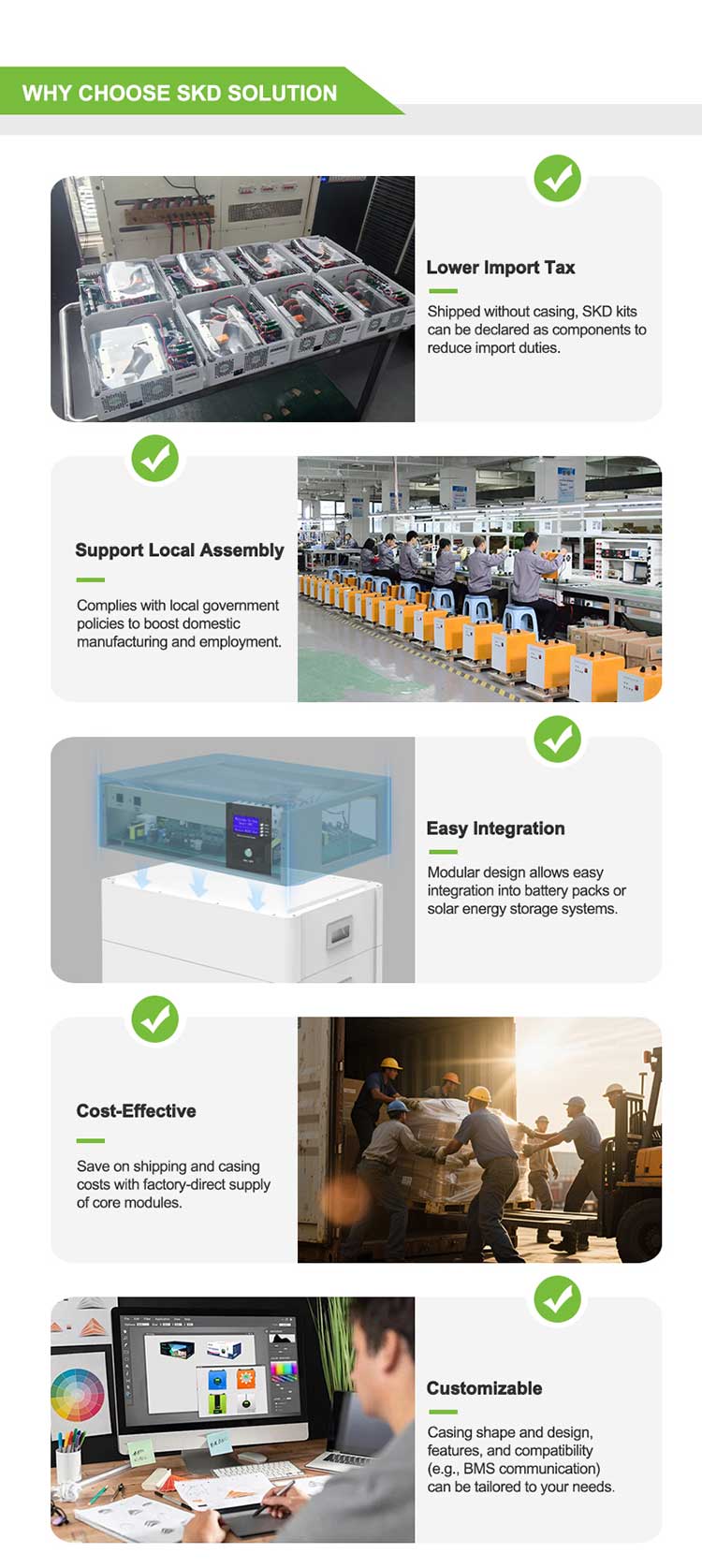
The motherboard, also known as the main board, is the core component of solar inverter, plays an important role. They support export in SKD or CKD modes. Our engineers carefully considered export convenience during the initial design phase, shipping the motherboard, casing, and accessories separately. Customers can assemble them themselves upon receipt, reducing overall shipping volume, warehousing and logistics costs, and circumventing tariffs or policy restrictions on complete unit imports in some regions. Inverter installation and functional testing can be completed without complex assembly. This helps customers establish localized production systems, enhance price competitiveness, and ensure supply chain flexibility and delivery efficiency.
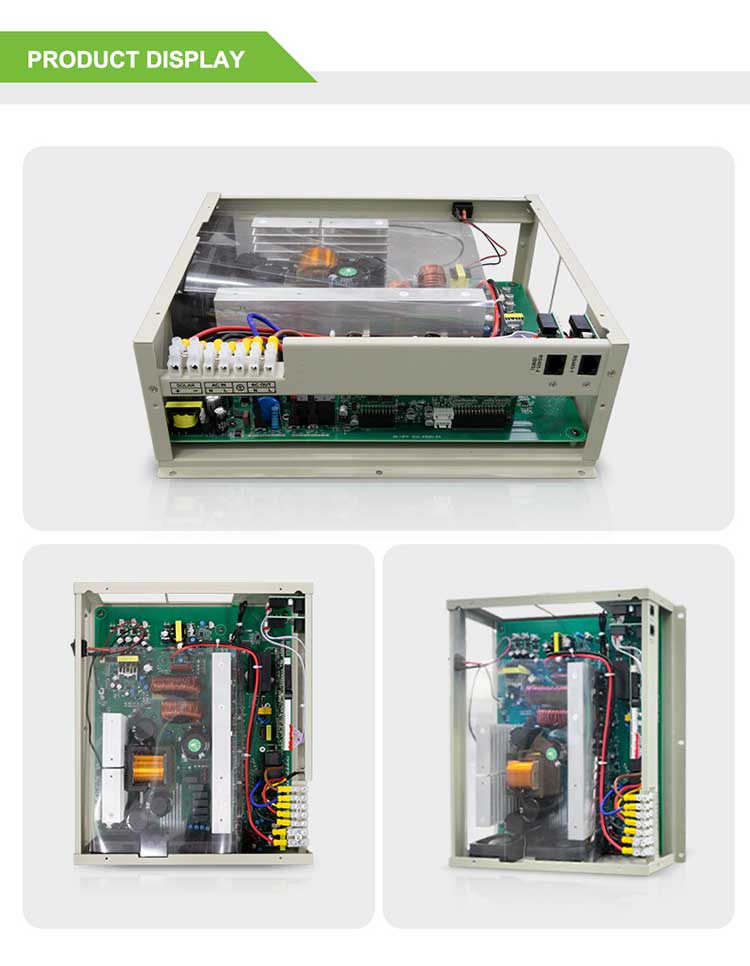
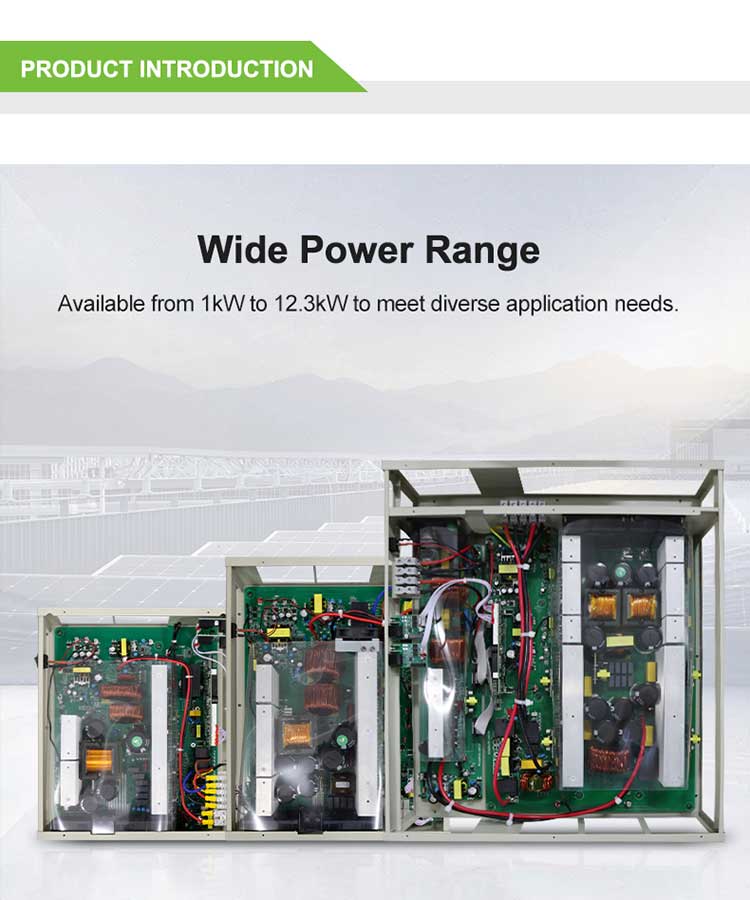
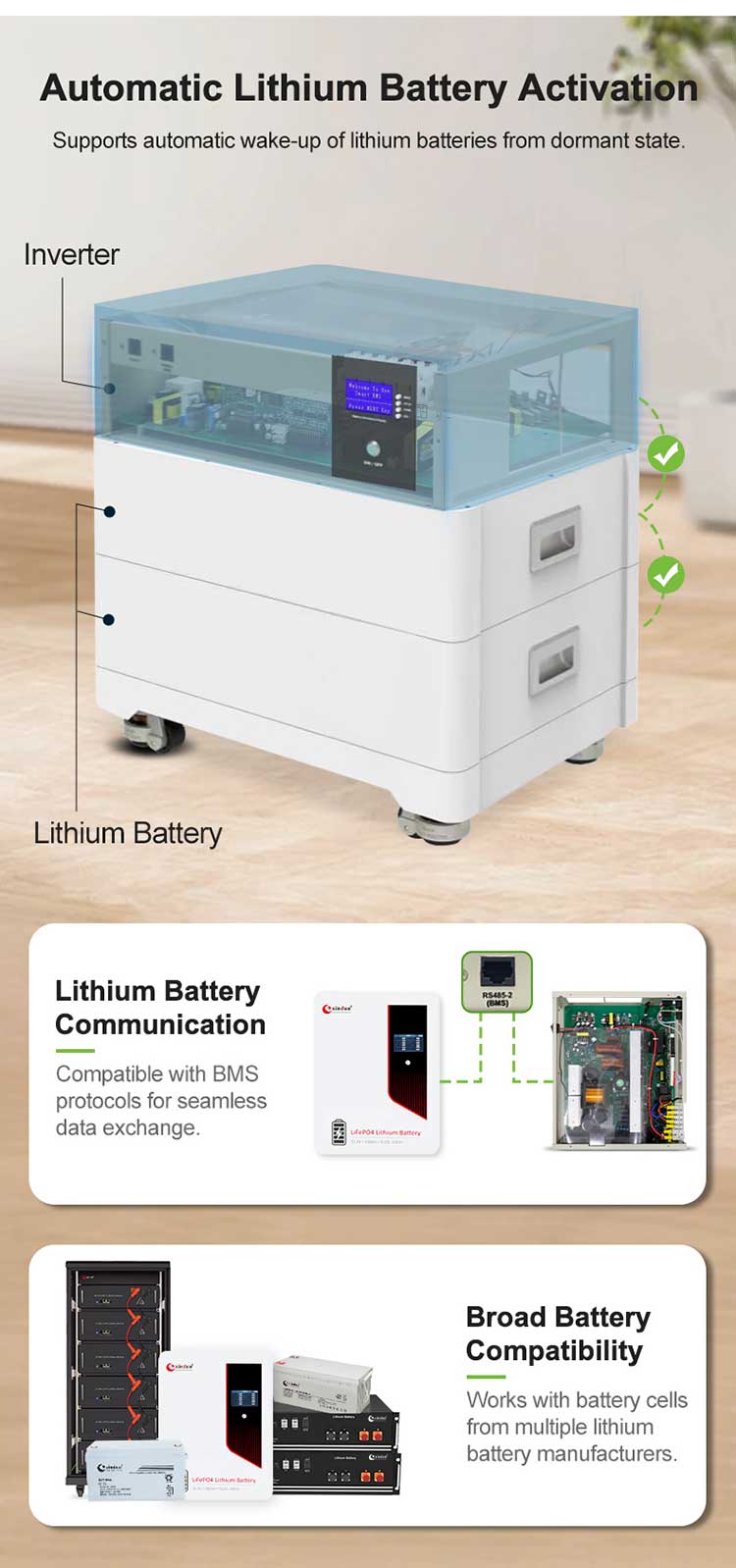
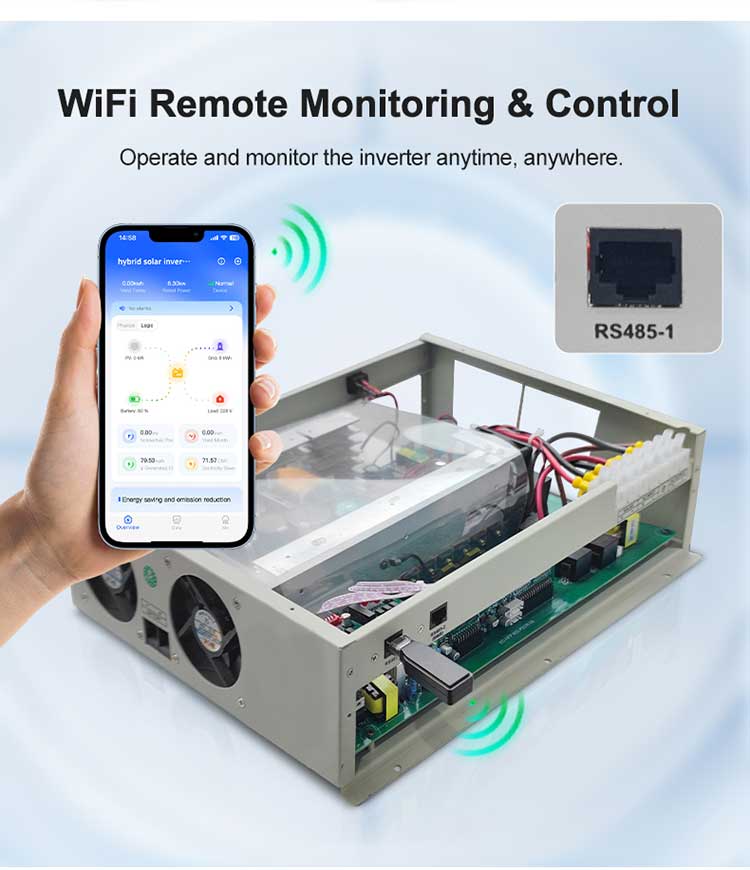
The solar inverter motherboard offer diverse installation options, often combined with inverter and energy storage systems. These options include Stacked, Wall Mount, Tower Type Pulley, Tower Landing, and Rack installations, making them widely applicable to commercial, residential, and industrial settings. The flexible installation ensures efficient and convenient installation in any environment.
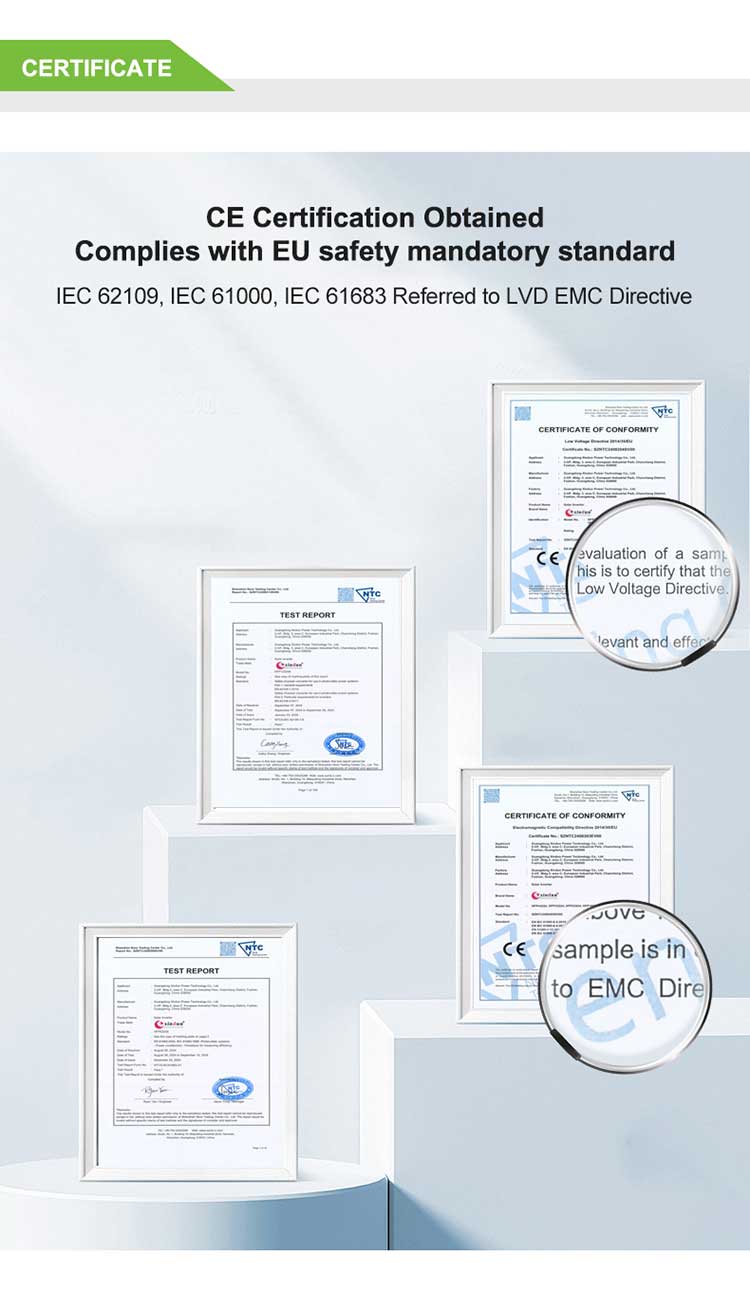
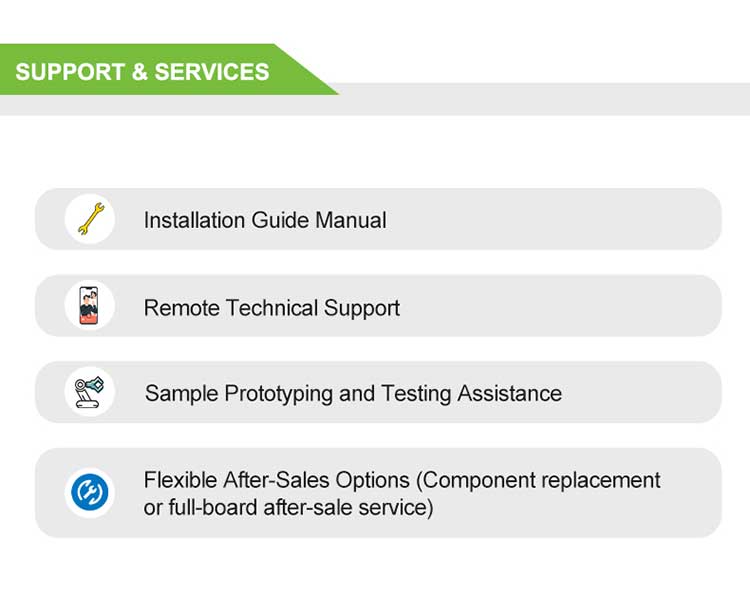
Our solar inverter motherboard can be exported without outer packaging, allowing for SKD or CKD component declarations, effectively reducing import tariffs and improving economic efficiency. They also support localized assembly, aligning with local manufacturing development strategies, helping customers expand into their local markets, create jobs, and achieve deep integration of production layouts. SKD and CKD components can be freely assembled, easily adapting to localized system assembly. Xindun is a global supplier of motherboard, boasting a modern production plant of over 12,000 square meters. All our products have passed third party international certifications such as IEC 62109, IEC 61000, IEC 61683, and Referred to LVD EMC Directive, ensuring global market validation of safety and reliability, and earning the trust of distributors, wholesalers,etc. As a source manufacturer of inverter motherboard, we offer OEM/ODM customization services to meet specific customer needs. We boast an elite R&D team and a global trade team, ensuring our clients receive not only installation manuals but also localized service responses and online remote technical guidance. This helps clients better implement the testing and operation of their solar system. Choosing Xindun means gaining highly competitive market prices, reliable quality, customized services, and efficient localized support, making us a core partner for your global solar market expansion.
Yes, Xindun's solar inverter main board supports self assembly and is compatible with various enclosures.
The inverter main board, also known as the inverter mother board, is the core control and power conversion unit of a solar inverter. It integrates DC/AC conversion circuits, MPPT control, communication modules, and a protection system, ensuring stable operation and high conversion efficiency.
Yes. Xindun can provide OEM/ODM services based on your region's SKD or CKD policies and market demands.
Yes. Buying the solar inverter mother board separately does not include the inverter enclosure. You can apply for component imports to reduce import tariff costs.