In recent years, numerous large scale global power outages have highlighted the growing problem of power shortages. Common issues include brief but frequent power outages, momentary power drops, and voltage fluctuations. Power fluctuations severely impact people's work and lives. For example, during critical stages of remote video conferences, sudden power outages can disrupt networks, rendering unsaved data unrecoverable; brief nighttime power outages can render security cameras and smart locks ineffective. For businesses, even a power outage of just a few minutes can trigger payment system restarts and network recovery delays, directly affecting normal operations.
Users are beginning to realize that relying solely on the power grid is insufficient to meet the requirements for continuous power supply. The widespread adoption of solar power is changing how people obtain electricity. As continuous power supply becomes fundamental condition for work efficiency, personal safety, and even business stability, users are re-evaluating "power backup." More and more businesses and households are choosing to install solar backup system for self consumption. Solar battery backup inverter is gradually becoming the core of building reliable solar backup system.
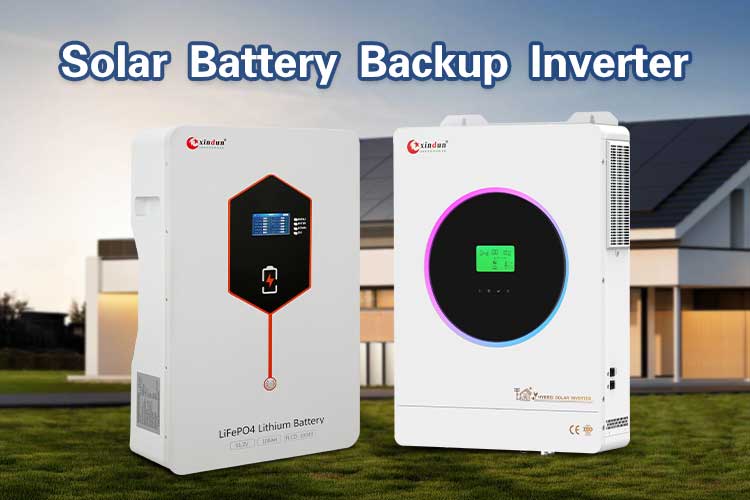
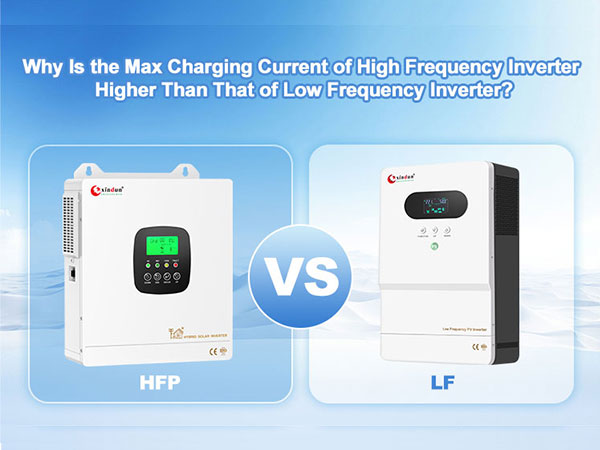
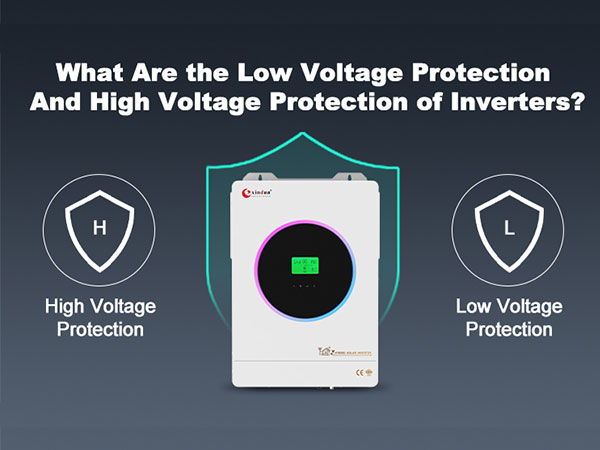
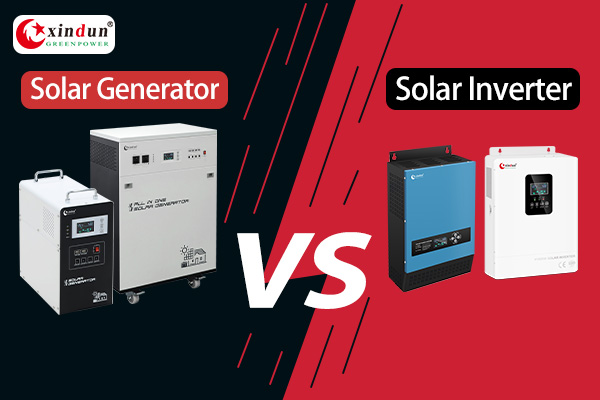
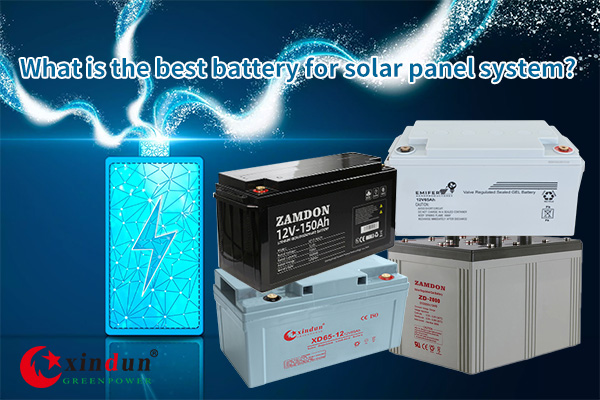
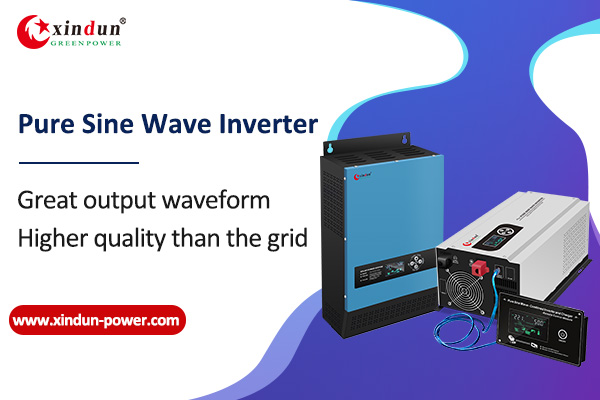
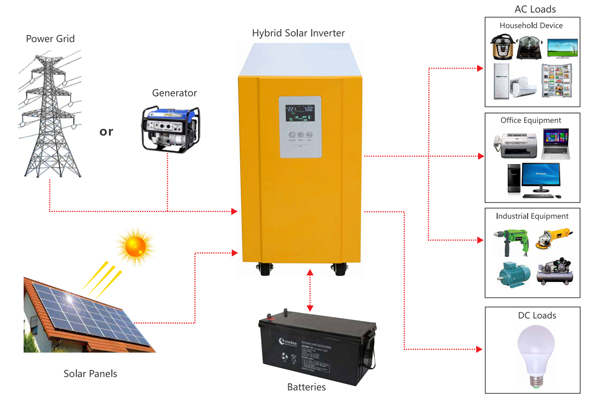
Solar battery backup inverter is solar backup system that combines solar inverter with energy storage battery. In this system, the solar inverter converts the direct current (DC) generated by the solar panels/energy storage battery into alternating current (AC) usable by residential or commercial loads, while also intelligently managing power distribution. The energy storage battery stores excess energy. When there is sufficient sunlight and power generation exceeds consumption, excess energy is automatically stored in the battery, preventing the waste of renewable energy. In cases of insufficient sunlight (such as on cloudy days or at night) or sudden power outages, the stored DC power is quickly converted back to AC power to continuously supply critical loads. Working together, the system improves solar energy utilization during daily operation and serves as a backup power source in emergencies.
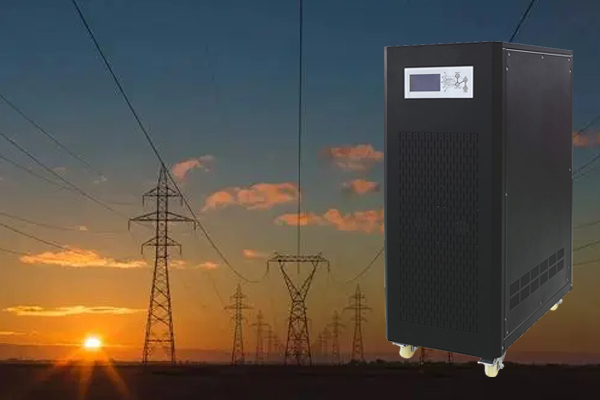
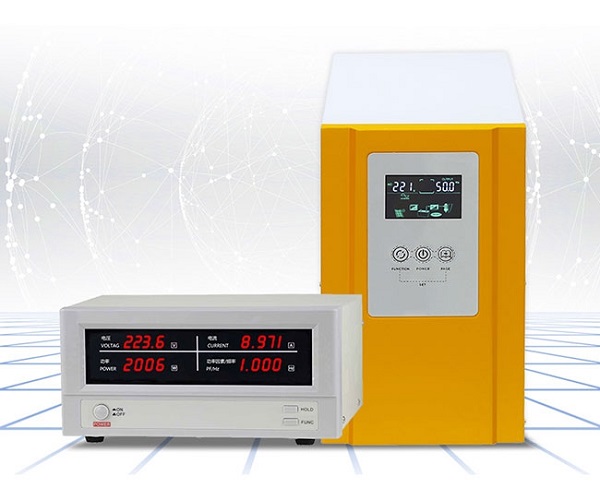
Without battery, solar inverter relies solely on daytime solar and grid power generation, unable to store energy, resulting in the waste of excess daytime energy and solar energy utilization rate generally below 50%. Solar battery backup inverter, through intelligent charge and discharge control, stores excess daytime energy for use during off peak hours, completely breaking the time limitations of solar energy utilization and increasing renewable energy utilization to over 80%, transforming solar energy from a "supplementary energy source" to "reliable primary energy source." In off grid environments, grid outages are often sudden and destructive, lasting from a few hours to tens of hours, causing incalculable losses to homes and businesses. Xindun Power's solar battery backup inverter feature millisecond level switching capabilities, effectively mitigating the impact of power outages. Loads can immediately receive battery power after a grid outage, avoiding a series of problems caused by power interruptions and ensuring power continuity and stability.
Solar battery backup inverter is commonly used in off grid or weak grid environments, such as remote mountainous areas, rural areas, and regions with large power fluctuations. As preferred power source, solar battery backup inverter not only optimize electricity consumption through peak shaving storage and efficient conversion, reducing electricity bills and maintenance costs for households and businesses, but also avoid the high energy consumption and costs of traditional methods like diesel generators in off grid environments; reducing over reliance on the power grid and achieving power self sufficiency.
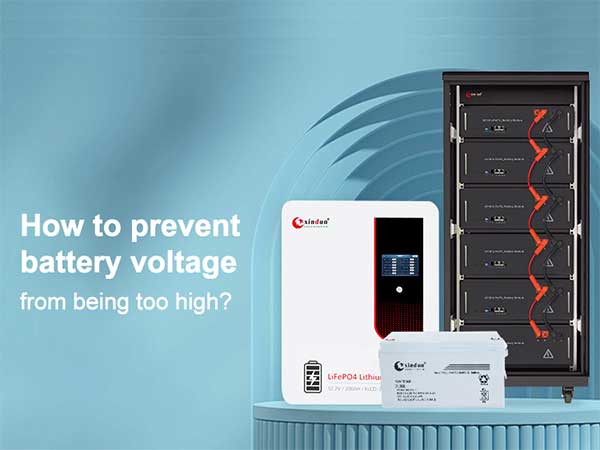
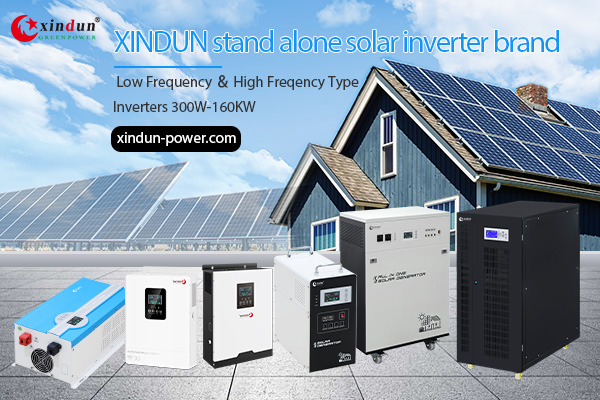
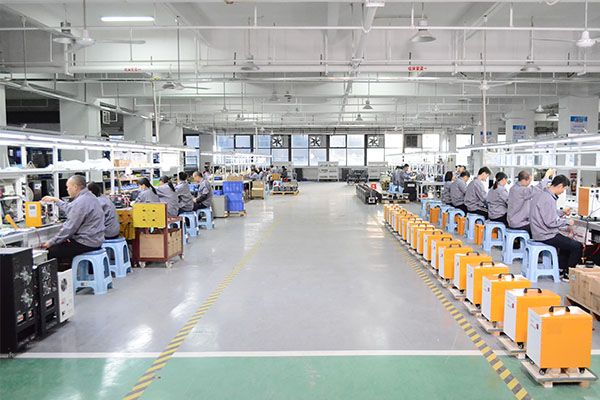
Xindun Power has been a professional manufacturer of solar inverter, battery, solar controller, and other solar backup system components for over 20 years. Our solar inverter is compatible with various battery types, such as lithium battery, lead-acid battery, allowing customers to flexibly choose battery configurations based on their actual power needs, application scenarios, and budget. In off grid or unstable power environments, inverters not only need to meet daily loads but also cope with challenges such as start up shocks, voltage fluctuations, and long term operation. Through the collaboration of the inverter and energy storage battery, the system can respond promptly to load changes and balance output power, thus more effectively ensuring uninterrupted power supply. Simultaneously, stable inverter control capabilities combined with reasonable battery charge and discharge management help reduce losses caused by frequent start ups and abnormal discharges, extending the lifespan of the battery and the entire system.