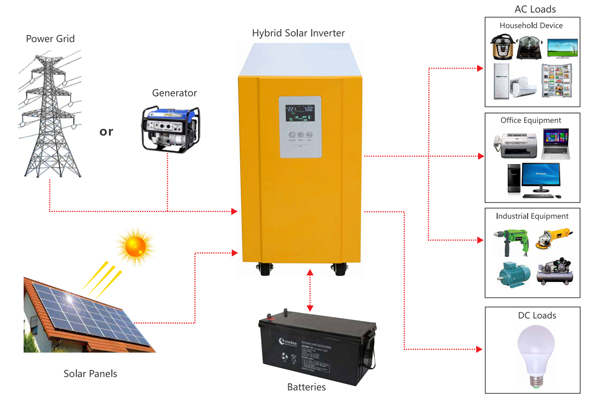
When power is scarce, there are power outages, electricity is expensive, and the power grid cannot cover remote areas, most regions rely on solar power system to generate electricity to meet daily needs. Inverter, as the core equipment of solar power system, convert the direct current (DC) output from battery or solar panel into alternating current (AC) power required by electrical appliances. This allows various AC powered devices to break free from the constraints of fixed power grid and achieve flexible power usage. There are many types of inverter on the market, with different specifications based on their input DC voltage (such as 12 volt 24 volt 48 volt) and output AC voltage (such as 110 Volt, 220 Volt, 240 Volt ). 220 Volt AC is a common mains power standard widely used in many countries and regions around the world, including Thailand, India, Philippines, China, UK, Germany, Italy, Spain, the Netherlands, and Australia. Today, we will focus on common type of inverter: 12 Volt 220 Volt inverter.
12 Volt to 220 Volt inverter is a power conversion device that converts input 12 Volt DC power into output 220 Volt AC power.The DC power is then converted to AC power via inverter, and finally filtered and regulated to output standard 220 Volt AC power, ensuring that connected electrical equipment can operate normally. 12 Volt to 220 Volt inverter typically consists of input interface, output interface, core conversion module, and protection module. The input interface connects to 12 Volt DC power source, such as car battery, portable lithium battery packs, and solar panels; the output interface is a standard power socket, convenient for plugging into various 220 Volt electrical devices; the core conversion module is crucial for power conversion, determining the inverter's conversion efficiency and output stability; the protection module provides overcurrent protection, overvoltage protection, undervoltage protection, and short circuit protection, effectively ensuring the safety of the inverter and connected devices.
12 Volt to 220 Volt inverter is widely used in everyday devices and can be categorized according to their power rating. Small 12 Volt to 220 Volt inverter with power output of 100W-300W are suitable for low power devices, such as mobile phone chargers, tablet chargers, laptops, small projectors, table fans, and LED lamps. Medium power inverter with power output of 300W-1000W are suitable for electric kettles, microwave ovens, rice cookers, washing machines, and televisions. High power 12 Volt to 220 Volt inverter with power output exceeding 1000W can meet the power needs of high power devices, such as air conditioners and refrigerators.
When using inverter to power electrical appliances, ensure that the inverter's rated power is greater than the appliance's rated power. For example, the instantaneous power consumption of refrigerators and air conditioners during startup is much higher than their rated power. Generally, it is necessary to choose inverter with a rated power 1.5-2 times the appliance's instantaneous power consumption to avoid inverter overload or appliance startup failure due to insufficient power.
12 Volt DC power is common in daily life, such as car battery and portable lithium battery packs, making it readily available. 220 Volt AC power is the standard mains power in many countries and regions worldwide, compatible with a wide variety of electrical devices, from small household appliances to some industrial equipment. This allows 12 Volt to 220 Volt inverters to be used flexibly in various scenarios. Compared to inverters of other voltage specifications, 12 Volt to 220 Volt inverters are typically smaller and lighter, with low to medium power models that are easy to carry, making them ideal for outdoor camping, road trips, and fieldwork. Users only need to carry one inverter and one 12 Volt battery to power various 220 Volt electrical devices, greatly improving the convenience of outdoor power use. At the same time, the cost is lower, making it suitable for users with limited budgets.
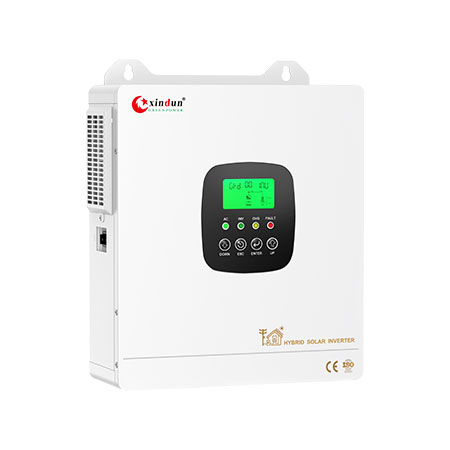
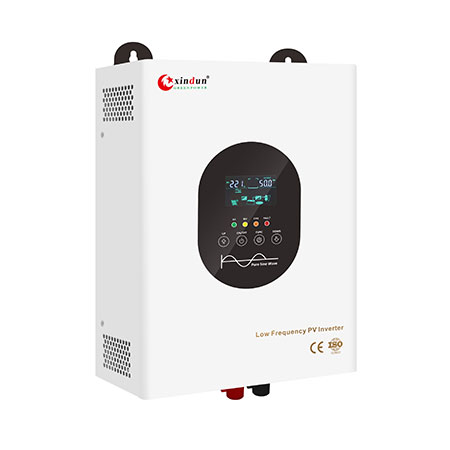
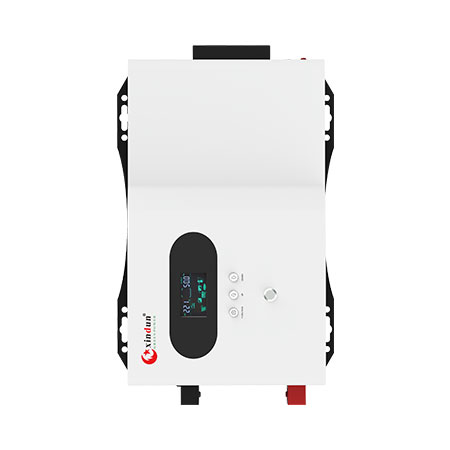
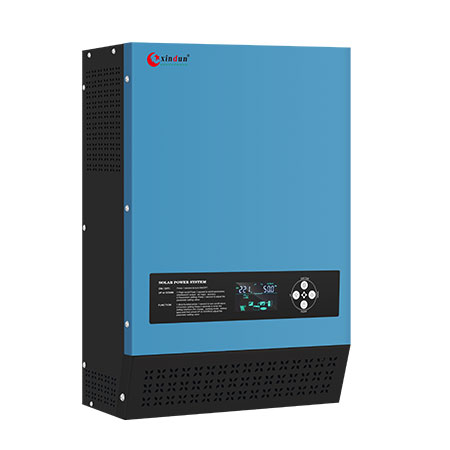
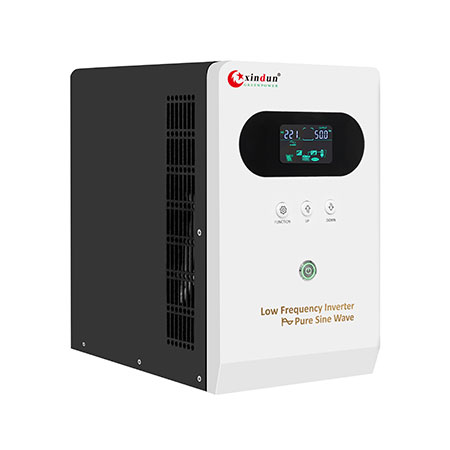
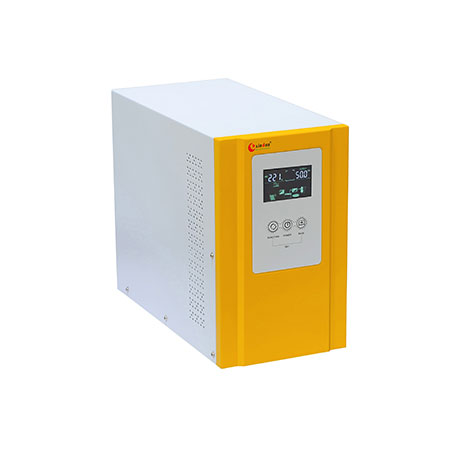
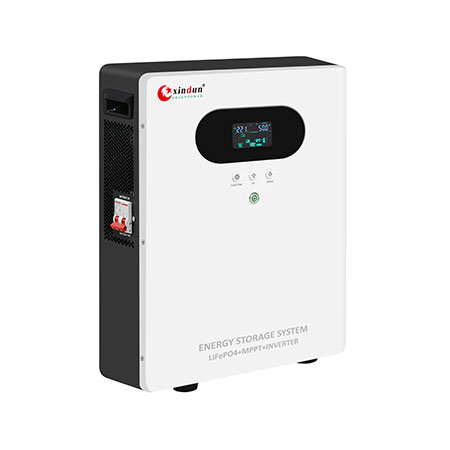
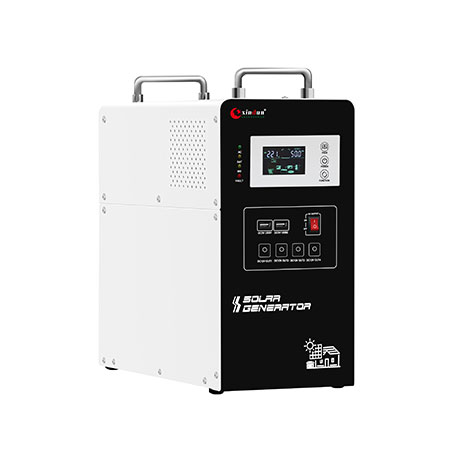
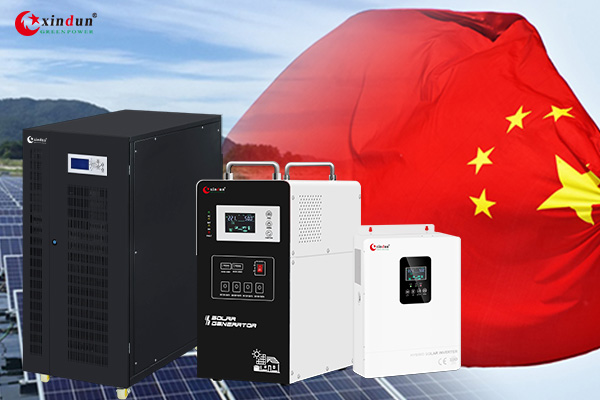
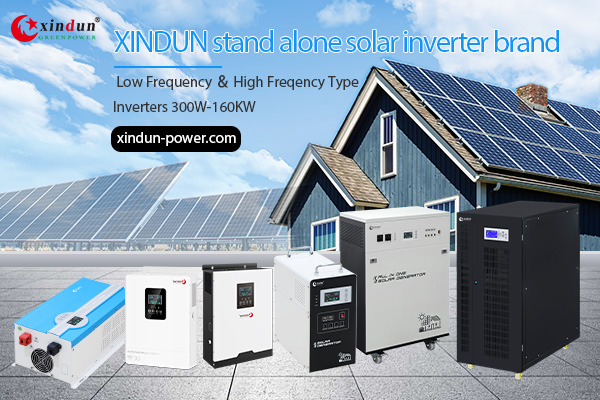
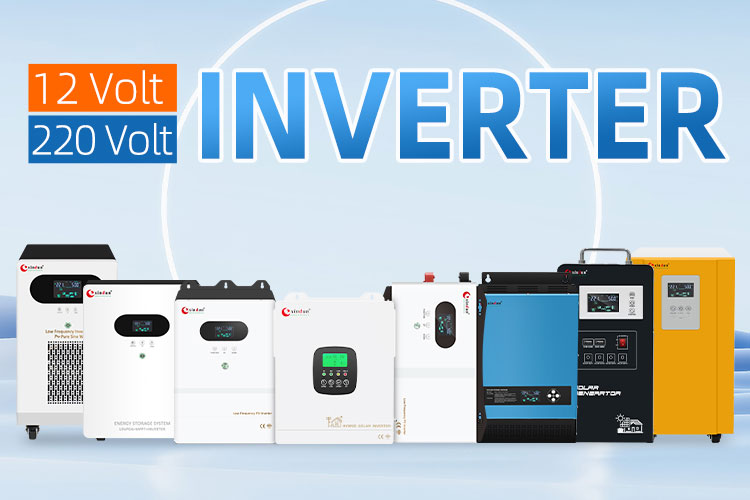
As inverter manufacturer, Xindun Power offers inverters covering global voltage standards from DC 12 Volt - 384 Volt and AC 110 Volt - 240 Volt, with power ranging from 300W to 160KW. These inverters meet the needs of various power systems. By selecting the appropriate input voltage, output voltage, and power rating, users can find the optimal balance between cost, efficiency, and load matching, ensuring the system remains highly efficient, safe, and reliable in actual operation. Below are some recommended Xindun inverters supporting output from 12 volt to 220 volt:
|
|
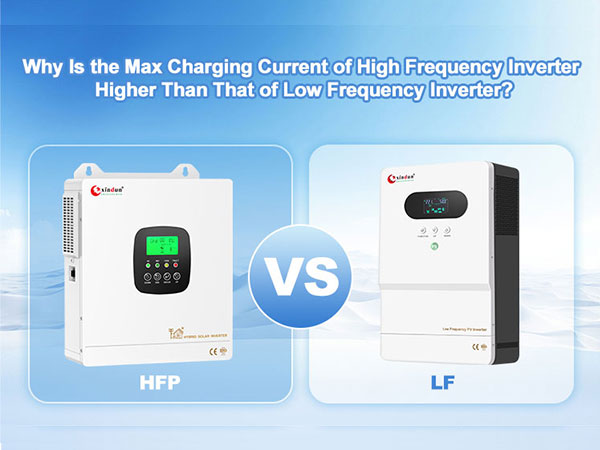
HFP Series Hybrid Inverter 1000W, 1300W, 1800W It features three flexible operating modes: off grid, on grid and hybrid. It as also can be operated without battery.
|
|
|
LF Series Low Frequency Inverter 1000W, 1500W, 2000W It adopts a power frequency design, a toroidal low loss transformer, and a mains charging current of 0-30A, which can be flexibly adjusted; the wall mounted design saves space and is suitable for industrial and civil use. |
|
|
DF Series Solar Inverter 1000W, 1500W, 2000W Supports dual internal and external LCD screens; the optional external screen can be easily and quickly operated with single power switch. Suitable for RVs, catering trucks, ships, and other mobile vehicles. |
|
|
LS Series Split Phase Solar Inverter 1000W, 1500W, 2000W It supports single phase and split phase outputs to meet different voltage standards. |
|
|
WF Series Solar Inverter 700W 1000W The adjustable AC charging current range is 0-20A, allowing users to flexibly configure the battery capacity as needed. |
|
|
WD Series Solar Inverter 500W, 700W, 1000W Designed for power frequency, it adopts a UI type low loss transformer, achieving inverter conversion efficiency of up to 95%. |
|
|
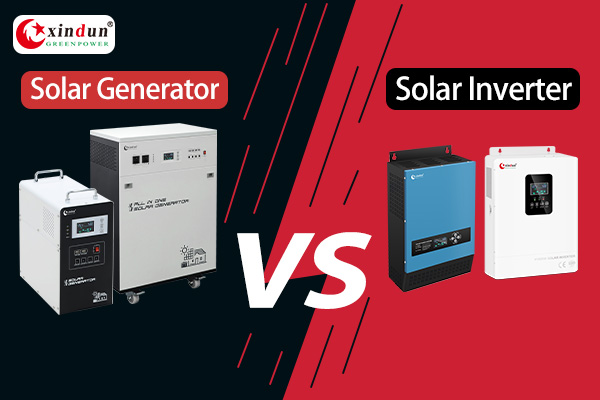
ESS-Li Series All In One Solar Generator 300W 600W It adopts integrated design, which integrates solar inverter, MPPT solar controller and lithium battery into one unit, with simple structure and no complicated installation required. |
|
|
ESS Series All In One Solar Generator 500W It integrates built in solar controller, PWM controller, and lead-acid battery for easy installation. It also features multiple plug and play output interfaces for convenient use. |