In recent years, many homes have been forced to seek solar power generation due to factors such as aging power grid infrastructure, lagging regional power development, single energy source, and harsh environments. Frequent voltage fluctuations cause repeated start ups and shutdowns of household loads, accelerating the aging of appliances such as air conditioners and refrigerators, leading to frequent malfunctions and shortened lifespans. In some areas, power rationing and rotating power supply have become the norm during peak summer and winter heating seasons, disrupting daily routines. More and more users are realizing the importance of stable power supply.
With the maturity and widespread adoption of solar power generation technology, many homes are choosing to install rooftop solar system, hoping to alleviate their dependence on the power grid through self generation. During the day, ample sunlight can provide a considerable amount of electricity for the home, reducing electricity costs to some extent. However, relying solely on solar panels cannot completely solve the problem of power stability. Solar power generation is significantly dependent on time and weather; when night falls, during cloudy or rainy weather, or when the grid suddenly shuts down, homes may still face the risk of power outages. Therefore, solar inverter and battery power for home are becoming a trend in continuous home power generation. Below, we will analyze in depth why solar inverter and battery power for home is the smart choice for stable home power supply.
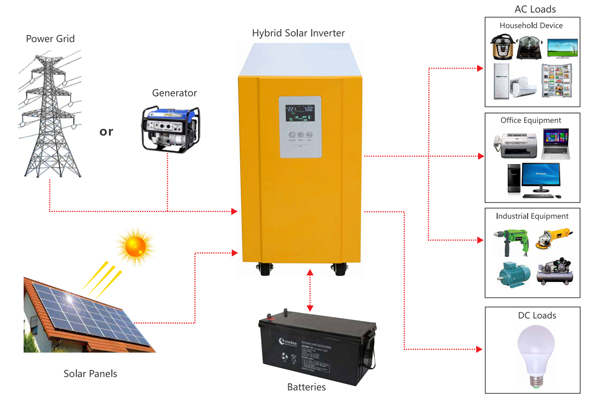
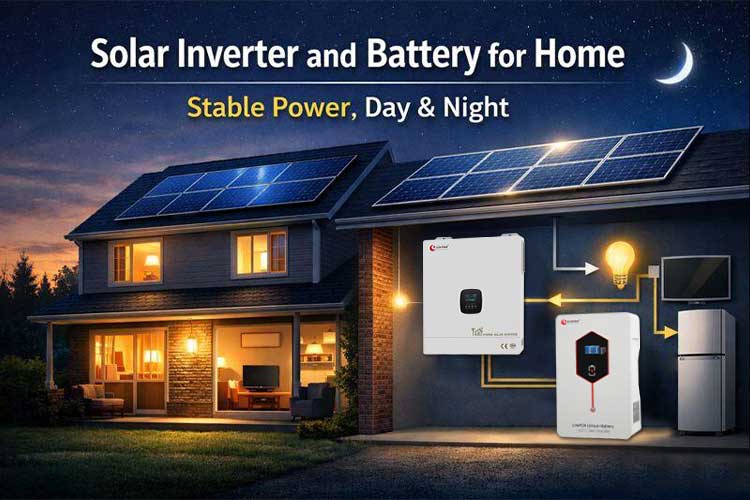
A complete home solar system typically requires solar panels, solar inverter, battery, and solar controller. The solar inverter and battery are the core components. The solar inverter acts as the system's "energy converter" and "intelligent hub," converting the direct current (DC) generated by the solar panels into alternating current (AC) usable by household appliances. The battery acts as an "energy reservoir," storing excess energy generated by the solar system during periods of ample sunlight, preventing energy waste. During nighttimes with insufficient sunlight, rainy days, or sudden power outages, the battery can immediately release its stored energy, which is then converted by the inverter to power household loads, ensuring continuous power supply. Through the collaborative work of the solar inverter and battery, the home achieves independent power supply.
Many people may wonder: since solar panels can generate electricity themselves, why is it necessary to pair them with solar inverter and battery instead of using solar power directly? Solar energy itself is intermittent and unstable, and solar power alone cannot solve this problem. The power generation efficiency of solar panels depends entirely on sunlight conditions; power generation is high during the day when sunlight is strong, and completely stops at night. This generation rhythm is misaligned with household electricity demand. For example, peak household electricity consumption in the evening is precisely the off peak period for solar power generation. Without solar inverter, the DC power generated by the solar panels cannot be directly used for household appliances; and if the solar inverter is not equipped with battery, the solar system can only power the household when there is sufficient sunlight. Once sunlight weakens or disappears, it must rely on the power grid, unable to break free from dependence on the public power grid and unable to cope with sudden power outages. More importantly, a simple solar power system cannot guarantee stable output voltage when the grid voltage fluctuates, which may damage delicate household appliances. The combination of solar inverters and battery can smooth out fluctuations in solar power generation and ensure stable output voltage through the energy storage and release regulation of the battery. Simultaneously, in the event of a grid fault, the system can quickly switch to off grid mode, with the battery providing continuous power, thus overcoming the drawbacks of relying solely on solar power. Of course, Xindun Power's hybrid inverter can also be used without battery, making them suitable for users with lower initial budgets. Customers can choose whether to use them with battery based on their actual electricity consumption.
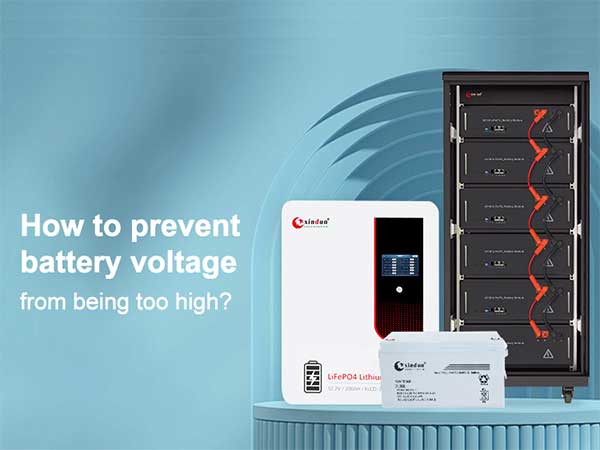
Solar inverter and battery combination maximizes the use of solar energy resources, reducing the home's dependence on grid power and thus lowering electricity bills. Simultaneously, with the maturity of energy storage technology and the continuous decline in battery costs, the payback period for a home solar inverter and battery system has shortened to 6-8 years, making it highly economically viable for homes. Our solar inverter and battery system features comprehensive protection functions, including overcharge protection, over discharge protection, and short circuit protection, effectively preventing safety hazards caused by circuit faults. It also features lithium battery BMS communication capabilities, monitoring battery power generation, power consumption, and battery energy storage status in real time, intelligently scheduling to ensure safe and stable system operation and effectively extend battery life. In extreme weather or grid failures, the solar inverter and battery system can serve as an emergency power source, ensuring the continuous operation of critical loads such as refrigerators and medical equipment, adding an important layer of protection for home safety.
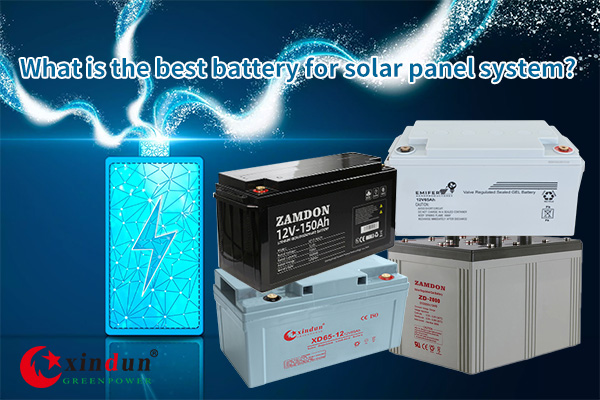
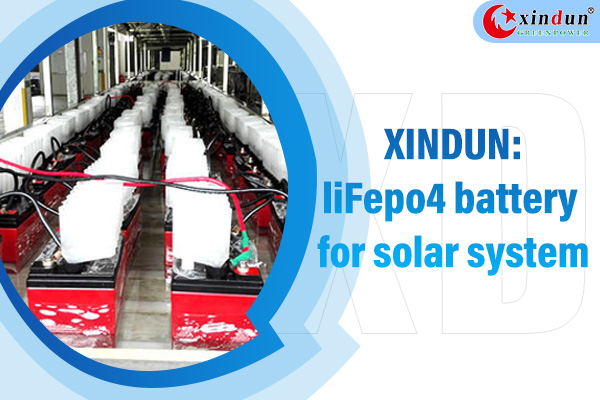
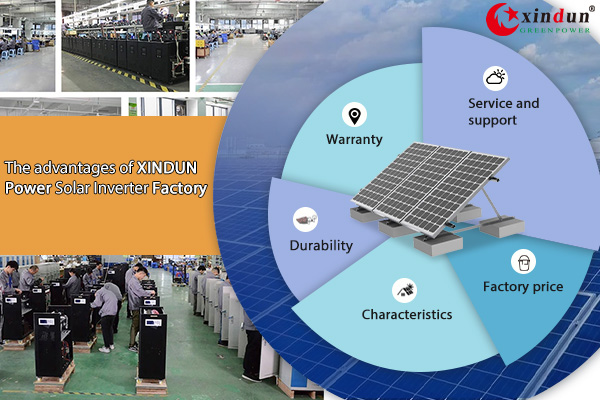
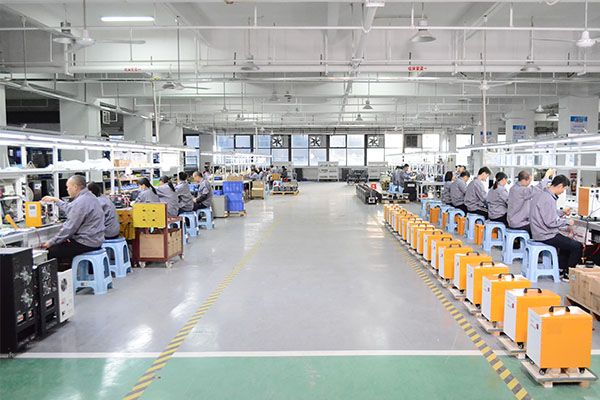
Xindun Power is a professional manufacturer of solar inverter, battery, and other solar modules for 21 years. We have an in house R&D team of over 30 elite professionals, developing solar inverter suitable for various home environments for over 200,000+ households worldwide. Our solar systems are compatible with multiple battery types, such as lithium battery, lead-acid battery, and gel battery. Customers can choose the appropriate battery based on their budget and actual electricity needs. Our solar inverter and battery system provide stable 24 hours output for home loads, widely used in areas with frequent grid fluctuations, power shortages, and high electricity costs, with numerous successful application cases. Whether for residential or commercial use, we provide one on one service and technical support.
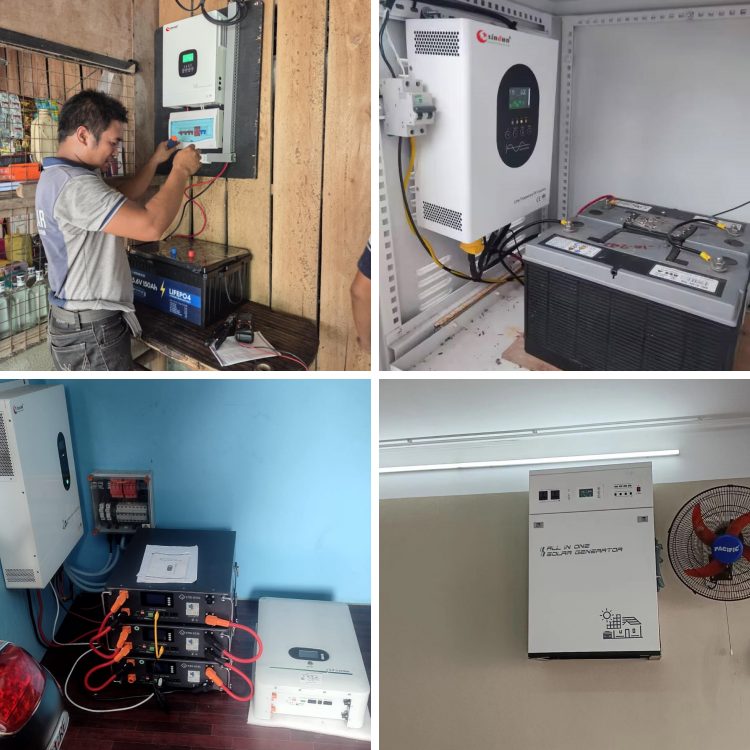
The following are some application of Xindun solar inverter and battery for home:
If you want to know more information about “solar inverter and battery for home”as listed below, please feel free to contact Xindun Power.
What size solar inverter and battery do I need for my home?
Can the solar inverter and battery power my whole house?
How long can the battery supply power during a blackout?
Is this system suitable for off-grid or unstable grid areas?
Can the inverter work with lithium batteries like LiFePO4?
Can I expand the battery capacity in the future?
Does the system support solar + grid + battery hybrid operation?
What household appliances can be powered at the same time?
Is installation complicated, and do you provide wiring diagrams?
What is the lifespan and warranty of the inverter and battery?