Many customers have a limited understanding of inverter when first encountering solar power system: Can off grid inverter directly power loads using solar energy? Since solar panels can generate electricity, can appliances simply run when there is sunlight during the day? If solar power can be used directly, does this mean battery can be omitted, thus reducing the overall system cost? In areas with unstable power supply or high electricity prices, users tend to prefer an "on demand" electricity model, hoping for simple, efficient, and lower investment system. Xindun Power will answer these questions about off grid inverter and solar power supply in the following article.
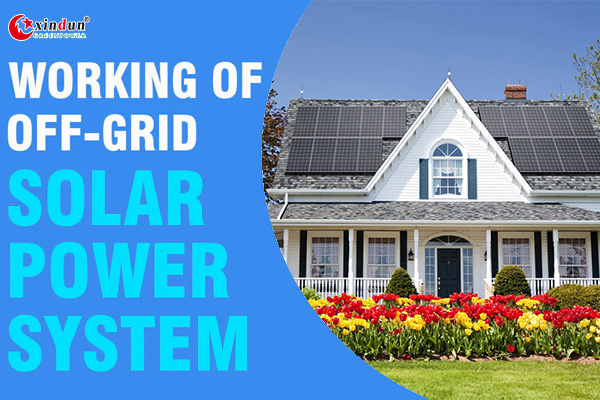
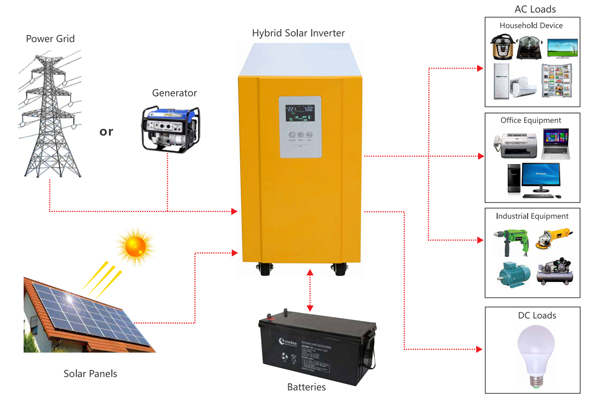
Off grid inverter is the "energy hubs" that enable independent solar power generation, disconnected from the public power grid. They also serve as a bridge connecting solar panels and loads. The electricity generated by solar panels is unstable, while load devices require stable voltage and frequency support. The inverter balances this imbalance. More importantly, it needs to dynamically schedule power supply among different sources, including real time balancing between solar power generation, battery storage, and load demand. For example, when sunlight is abundant, the system prioritizes solar power generation while storing excess electricity. During periods of reduced sunlight or at night, the energy storage system takes over. This mechanism ensures the continuity and stability of power output. They are commonly used in remote, grid-free areas, outdoor projects, and emergency power supply scenarios, such as rural self built solar projects, power supply for remote pastures, and emergency power supplies for telecommunications bases.
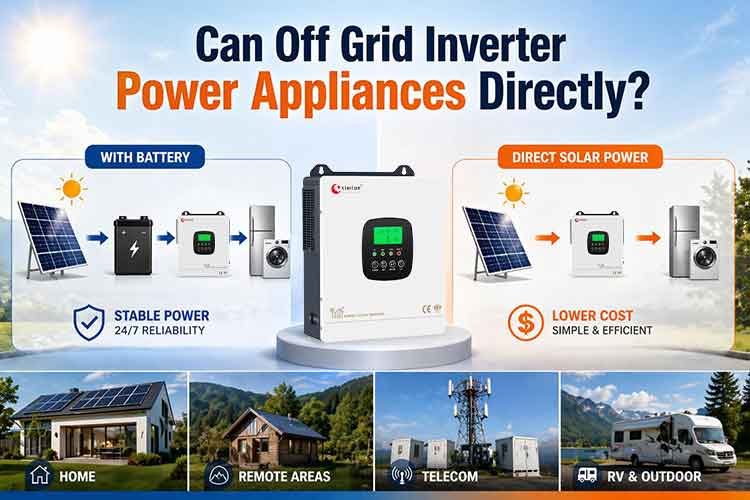
Yes. Off grid inverter can typically power loads using solar, whether or not they have battery.
Off grid inverter with battery: Direct power supply with enhanced stability.
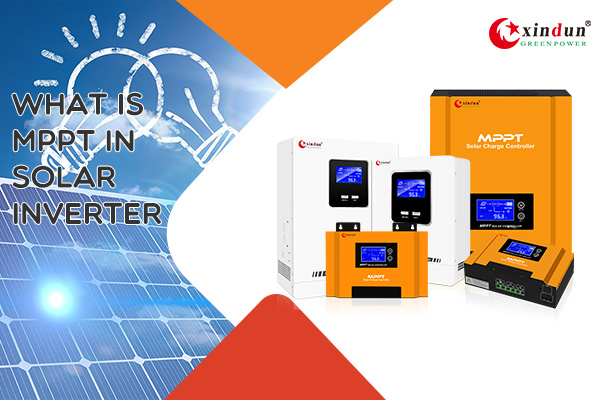
Off grid inverter with battery primarily combine solar and energy storage. They can not only directly utilize solar to power the load but also address the intermittent nature of solar power through battery storage. Why can they supply power directly in this situation? First, the DC power generated by the solar panels can be optimized by the inverter and MPPT controller, with a portion being directly converted into AC power to supply the load, meeting real time power demands. Second, when solar power generation exceeds load consumption, the excess energy is stored in the battery, preventing energy waste. When sunlight is insufficient, such as on cloudy days, in the evening, or when solar power generation is less than load consumption, the inverter automatically switches to the battery stored energy, working in conjunction with solar power to ensure continuous and stable load operation.
The core advantage of this model is its "high power supply stability," making it suitable for scenarios with high requirements for power supply continuity, such as office spaces and communication base stations. These scenarios cannot accept the impact of power outages. Off Off grid inverter with battery can achieve 24-hour uninterrupted power supply through the "solar + battery backup" mode.
Off grid inverter without battery: can supply power directly, but have limitations.
With technological advancements, the market demand for battery-free off grid inverter is continuously growing. These inverters eliminate the need for battery storage, directly utilizing solar energy to power loads. This is primarily due to their integrated high efficiency MPPT tracking module and voltage/frequency stabilization control technology, which adapts to the solar panel's output power in real time, converting unstable DC power into stable AC power for direct load supply.
However, it's important to note that battery-free off grid inverter rely on sunlight conditions for power delivery. Power can only be supplied when the DC power generated by the solar panels reaches the inverter's startup threshold and meets the load's power requirements. If sunlight is insufficient, such as on cloudy days or in the evening, the solar power generation cannot meet the load's needs, causing the inverter to stop operating and the load to lose power. This method reduces energy conversion steps, improves efficiency, and lowers system costs.
Off grid solar inverter can provide stable power support in various complex environments. Firstly, directly utilizing solar power reduces electricity costs. In areas without power grid or with high electricity prices, traditional power supply methods often rely on diesel generators, which are not only expensive in terms of fuel but also subject to uncertainties in transportation and storage. In contrast, solar energy, as a one time investment with long term use, incurs almost no additional generation costs once the system is built. For example, in the event of power outage at a factory, using off grid inverter to directly drive equipment can effectively replace diesel generators, reducing fuel consumption and avoiding ongoing noise and emissions problems. In the long run, this model can save projects a continuous and substantial amount of operating expenses.
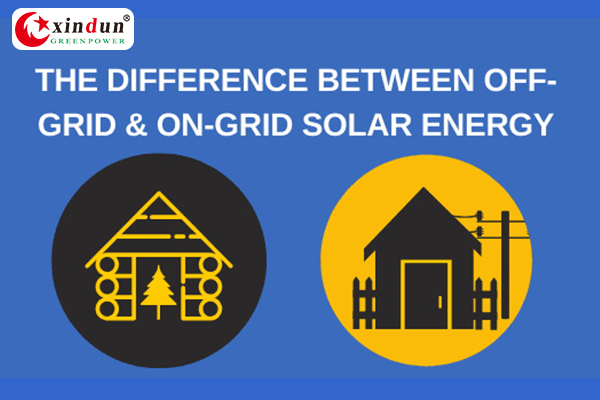
Secondly, relying on the traditional power grid means facing uncertainties such as power outages, power rationing, and electricity price fluctuations, which are particularly pronounced in areas with weak infrastructure. By using off grid inverter to directly utilize solar power, the system can operate completely independently of the public power grid, achieving true "self generation and self consumption." Whether in remote environments such as islands, mountains, or deserts, as long as there are stable sunlight conditions, continuous power support can be obtained. This power supply method, unconstrained by external power system, plays a crucial role in ensuring the continuous operation of production activities or infrastructure. Choosing solar power not only reduces electricity costs but also effectively utilizes solar energy to achieve self generation and self consumption.
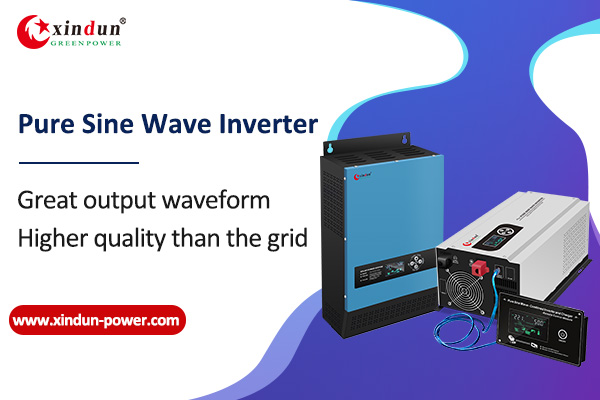
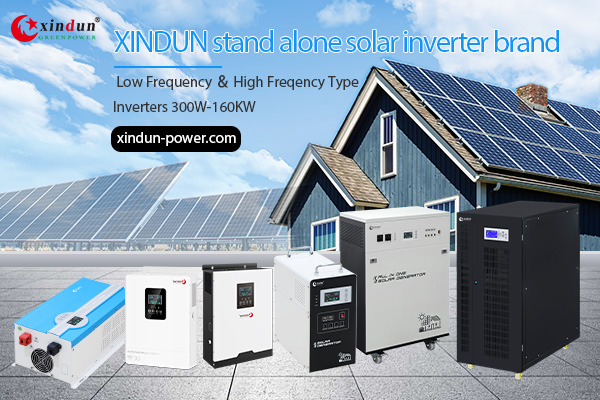
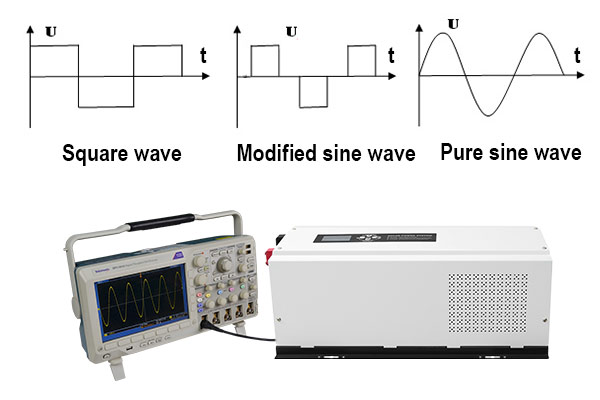
Determining whether off grid system has direct power supply capability cannot rely solely on a single parameter, a comprehensive analysis of its overall functionality is necessary. Whether the inverter supports solar priority mode determines whether the system prioritizes solar power when solar is available. Battery-free operation capability determines the system's ability to output power stably without energy storage. Furthermore, whether the output waveform is pure sine wave directly affects the safety and compatibility of load operation. Intelligent power distribution capability determines the system's stability under load changes or fluctuations in sunlight. These factors directly impact the overall system's power supply efficiency. Xindun Power's off grid inverter all support pure sine wave output, providing stable current to the load. They all support solar priority mode, allowing users to customize the power supply mode according to their electricity usage, meeting different power needs. Our HFP, HFP-S, HFP-C, HFP-E, HP HP PLUS+, HU, and HFU series hybrid off grid inverters also support battery-free operation, enabling direct solar power supply to meet the needs of different budgets and application scenarios. Combined with intelligent energy management system, it can automatically optimize power distribution based on electricity consumption, improving overall system stability while ensuring efficiency.
Hopefully, the above analysis of off grid inverter and solar power will help customers better understand off grid inverter. As an off grid inverter manufacturer, Xindun Power not only provides multi-functional inverters but also offers customized off grid solutions to meet specific needs. We assist customers in optimizing system design by considering the power environment and load characteristics of different regions, achieving a balance between efficiency, stability, and cost.
Whether you want to reduce costs by enabling direct solar power or need stable energy storage system to ensure continuous power supply, Xindun Power can provide matching solutions to help customers maximize the value of solar power system under different application conditions.