Happy New Year everyone, we are Xindun Power. According to Chinese tradition, 2026 is the Year of the Horse, symbolizing rapid development and great success for everyone's career, like a galloping horse. Xindun Power wishes everyone the best, like a galloping horse, as you strive towards your ideals and achieve success.
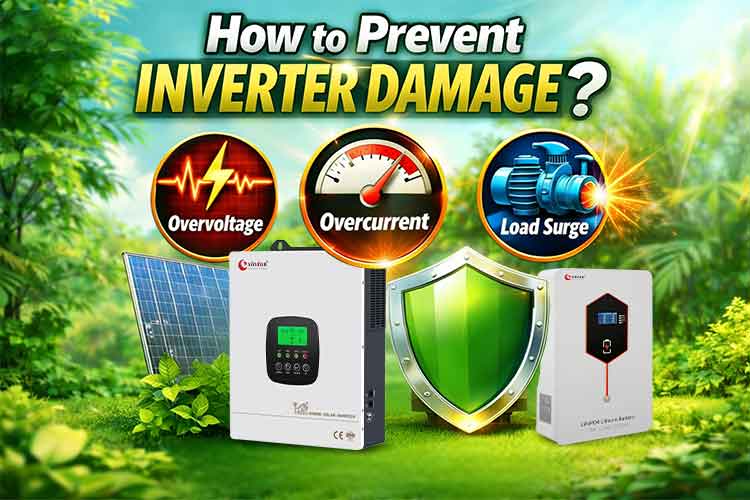
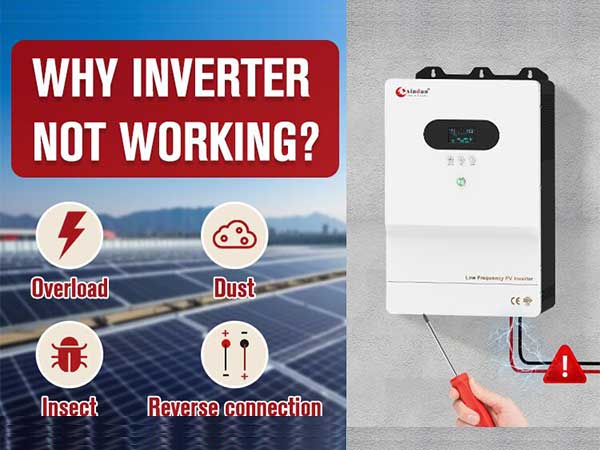
Xindun Power has received feedback from many customers whose inverters, which had been working perfectly for almost a year, suddenly failed. Upon inspection, it was found that a part of the inverter's PCB board was burned out. Based on Miya's experience, this is most often due to IGBT burnout.
Let's look at some reasons why IGBTs burn out:
1. Overheating: If the heat generated by the IGBT during operation cannot be effectively dissipated, it may cause the device to overheat, resulting in thermal stress damage, reduced device life, or even thermal breakdown.
2. Overvoltage: When the IGBT receives a transient voltage spike exceeding its rated voltage, it may trigger avalanche breakdown or thermal breakdown, resulting in inverter damage.
3. Overcurrent: When the current flowing through the IGBT exceeds its rated value, it may cause oversaturation of the charge carriers inside the device, generating additional heat and ultimately leading to device burnout.
4. Sudden Load Changes: Rapid load changes can generate large voltage and current surges, subjecting the IGBT to excessive stress, potentially causing it to fail.
In practical applications, points 2, 3, and 4 are the most common. Point 1 is largely eliminated with the current state of inverter development, so Xindun Power will only discuss points 2, 3, and 4.
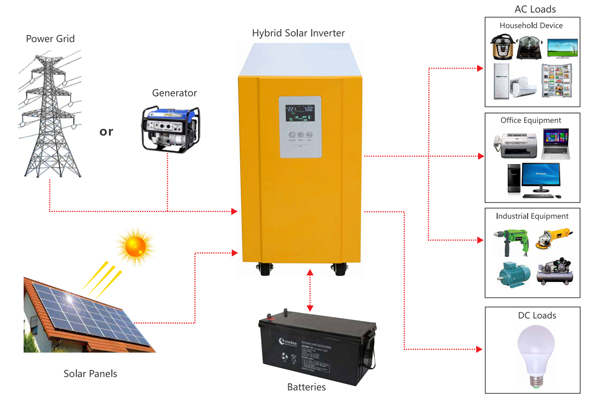
Secondly, overvoltage. Xindun Power recommends that in countries and regions with significant mains voltage fluctuations, such as those experiencing frequent power outages, an AC circuit breaker and surge protector should be installed between the mains power supply and the inverter after installation, and DC switch should be installed between the solar panels and the inverter. With these protective devices, the IGBT inside the inverter can avoid most sudden large voltage fluctuations. In Nigeria and other power deficient areas in Southeast Asia with very large voltage fluctuations, such protective measures are strongly recommended by local customers.
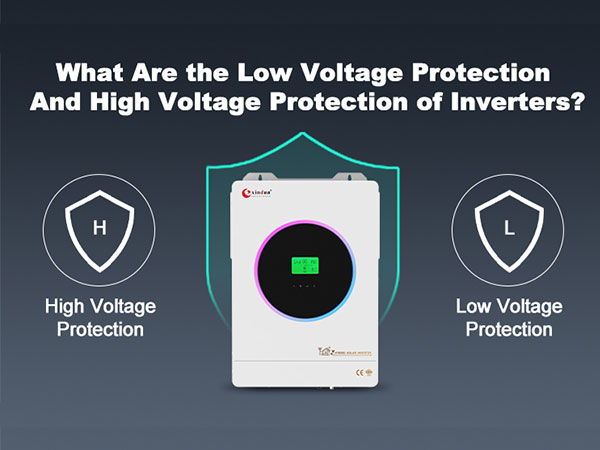
Overcurrent: Imagine a scenario where a user is supplying power to a large load despite low remaining lithium battery charge. According to the formula Power = Battery Discharge Voltage * Battery Discharge Current, as the lithium battery discharge voltage decreases, it increases its discharge current to maintain the power required by the large load. This sudden increase in current can easily damage the inverter's IGBT. Solution: Appropriately increase the inverter's low voltage protection voltage to prevent excessive current discharge from the lithium battery from damaging the inverter's IGBT.
Sudden load changes: This typically occurs when the inverter is operating a water pump. If the pump cannot pump water but continues to operate, its operating power will instantly increase to 6-7 times the normal level, easily damaging the inverter's IGBT.
Solution: Use a high power inverter or install a current limiter at the inverter output to prevent this from happening.
Xindun Power consistently provides users with high quality energy solutions and helps them solve their problems. If you encounter any issues, remember to consult Xindun Power.